The Special Thing About KEBA
The KEBA DNA describes how we collaborate at KEBA and what defines our culture. At the center is always the individual with their skills and strengths. One of our core principles is: As much freedom as possible, as much structure as necessary.
This means that decisions are not automatically made “from the top,” but where the knowledge and experience are greatest. To make this work, there are clear rules defining how much freedom each role has, along with a strong connection to our goals and results.
Our culture is not just theory on paper; it is brought to life through practical tools – for example, through dedicated training sessions, the “Culture Compass,” regular team check-ins, or workshops where topics can be discussed openly.
In short: KEBA combines the strengths of modern self-organization with the reliability of an industrial company – offering a high degree of freedom, clearly structured and high-performing.
5 Characteristics That Make a Difference
These five characteristics make tangible what defines KEBA at its core. They represent a culture built on trust, responsibility, and genuine collaboration – where people can fully develop their strengths. They show how we combine freedom and clarity, make courageous decisions, and create impact together.
Dynamic Roles & Circles
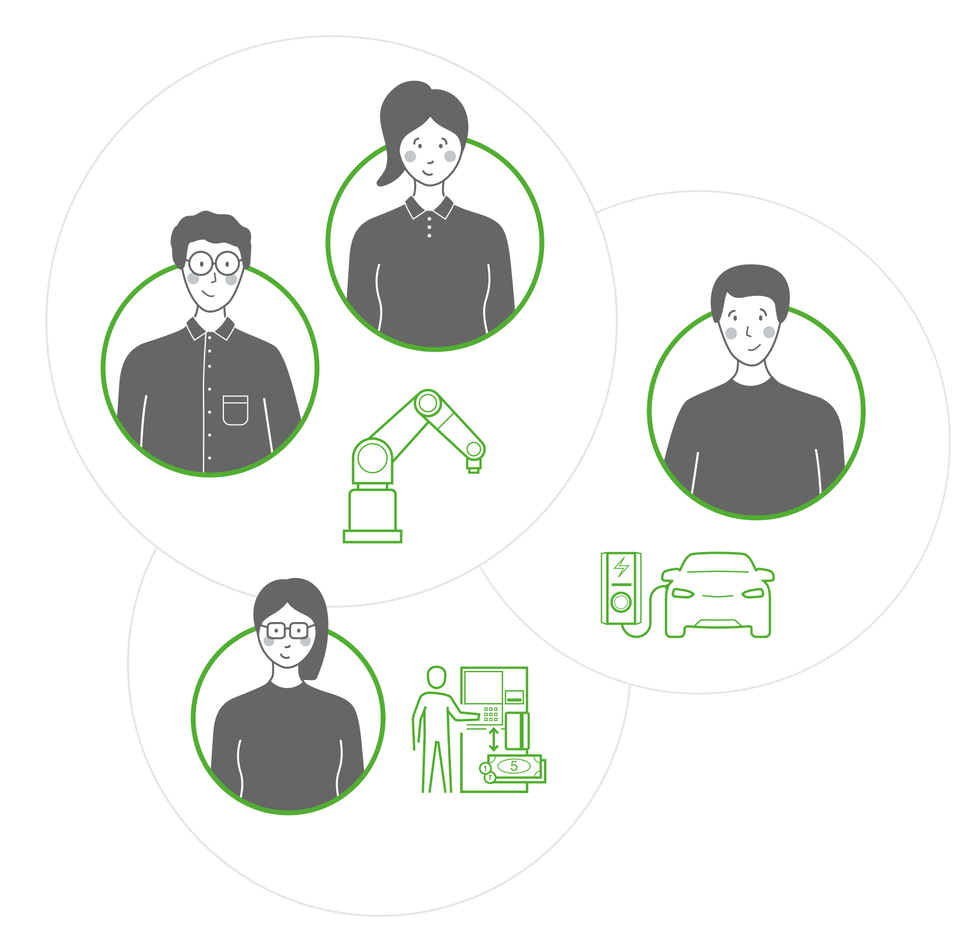
We do not organize collaboration through rigid departments, but through clearly defined roles and circles that adapt to changing needs and contexts. Each role has a clear purpose and area of responsibility and can be expanded, refined or regrouped depending on the situation. This provides clarity within the bigger picture while keeping the organization agile. Customer value serves as our shared “North Star”, guiding the alignment of roles, processes and interfaces.
How do we experience this in our day-to-day work?
-
Strategies, goals and KPIs are defined clearly enough for teams and circles to translate them into concrete action.
-
Roles and interfaces are visibly clarified, for example in tools and processes. If something is unclear, people actively seek dialogue instead of simply muddling through.
-
Meeting formats for alignment and reflection are actively used.
-
Decisions consciously take the customer perspective into account: “What value does this create for our customers or for the company?”
-
Roles and circles adapt: when needs change, responsibilities are redistributed accordingly – without turning it into an org chart drama.
Goal: Strategies, goals and KPIs are clear enough for circles to take customer-value-driven action. Roles and interfaces are transparently defined, suitable meeting formats are used effectively, and roles and circles can adapt quickly when needed.
Leadership & Empowerment
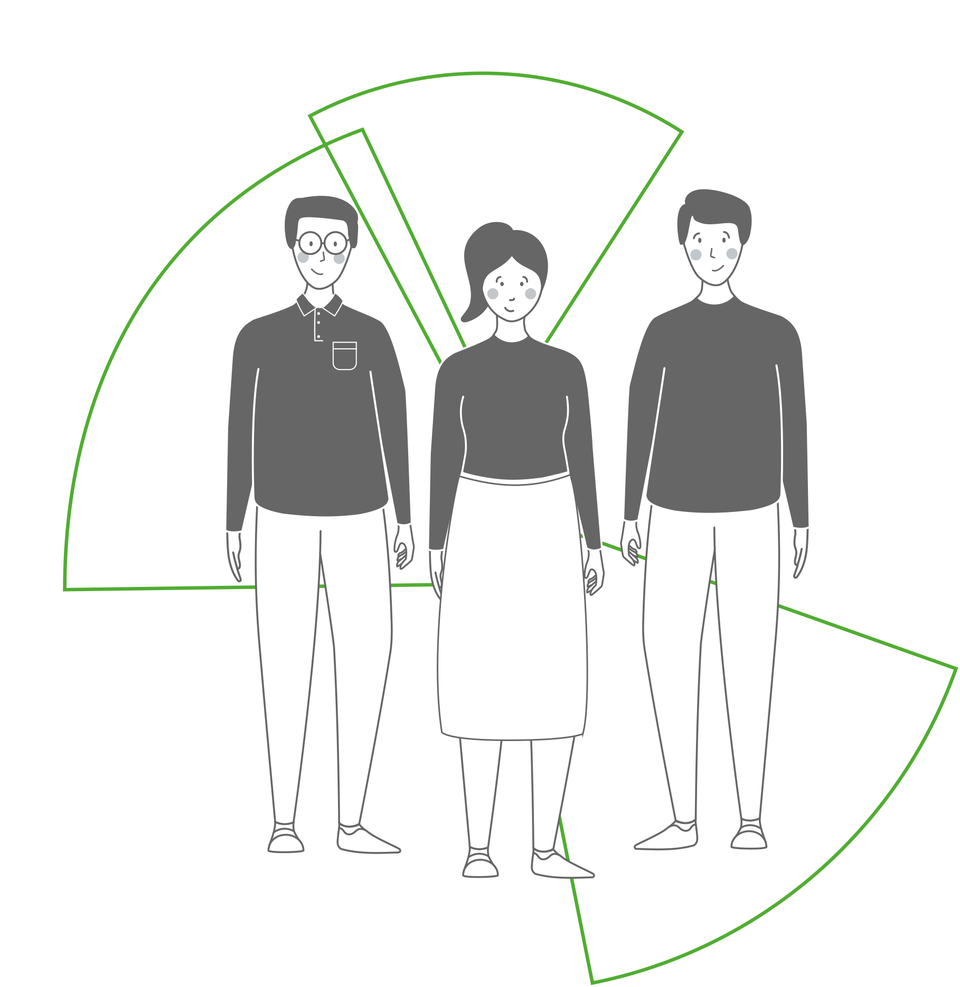
At KEBA, leadership means providing direction and a clear framework – including purpose, strategy and ground rules – while enabling self-organization. Authority is distributed, and leadership is exercised situationally through different roles. This makes leadership clearly visible in day-to-day work: Who is leading what at this particular moment? Empowerment arises when people can act independently within the defined framework and take responsibility for both results and collaboration. Good leadership enables others to act rather than making them dependent.
How do we experience this in our day-to-day work?
-
There is a clear framework within which people can work in a self-organized way – and they actively make use of it.
-
Differentiated leadership roles make it clear who is taking the lead on a particular topic.
-
Leadership means enabling others: obstacles are removed, direction is provided and autonomy is protected.
-
People can see the impact they make: they are able to take decisions, and their contributions are visible and make a difference.
-
Feedback is an essential part of leadership.
Goal: Leadership provides a clear framework that is actively put into practice. Differentiated leadership roles make it visible who is leading what. Leadership removes obstacles, protects autonomy and firmly embeds feedback, enabling people to make independent decisions and experience the impact of their work.
Trust & Responsibility
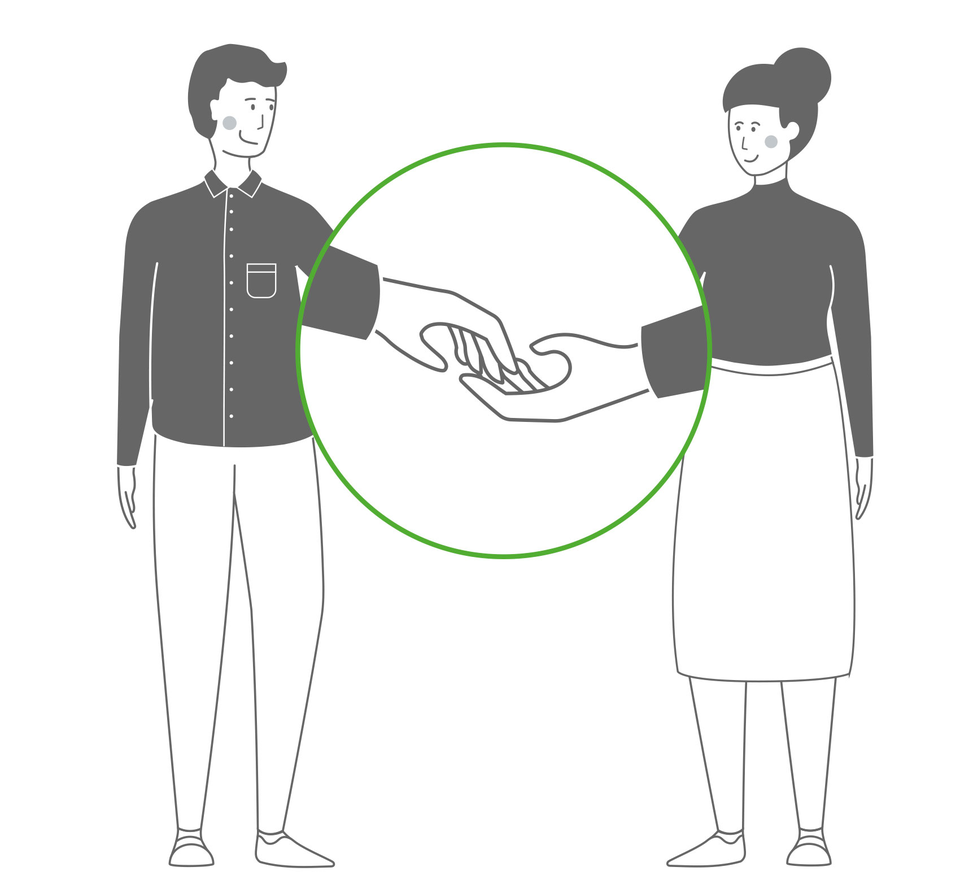
We believe that people want to take responsibility when the framework, expectations and necessary information are clear. Decisions are made where the greatest expertise and the closest connection to their impact can be found – not where formal authority sits within the hierarchy. Principles provide guidance: they replace detailed rules and create freedom within a clearly defined framework for action. At KEBA, trust does not mean simply letting things run their course. It means confidence in people’s abilities, combined with transparency and clear accountability.
How do we experience this in our day-to-day work?
-
Everyone clearly understands their own areas of responsibility – their role accountabilities – and makes the necessary decisions in a timely manner while involving the relevant stakeholders.
-
Within each circle, there is transparency about who makes which decisions and how.
-
Objections and concerns are used to improve the quality of decisions.
-
There are fewer approval loops: decisions are made where the expertise lies, and responsibility is not delegated upwards.
-
When mistakes happen, people take responsibility by learning and taking corrective action instead of shifting blame.
Goal: Everyone understands and lives up to their accountabilities. Decisions are made transparently and promptly where the relevant expertise and impact lie. Objections improve the quality of decisions, approval loops are minimized, and mistakes are addressed through learning rather than blame.
Learning & Feedback
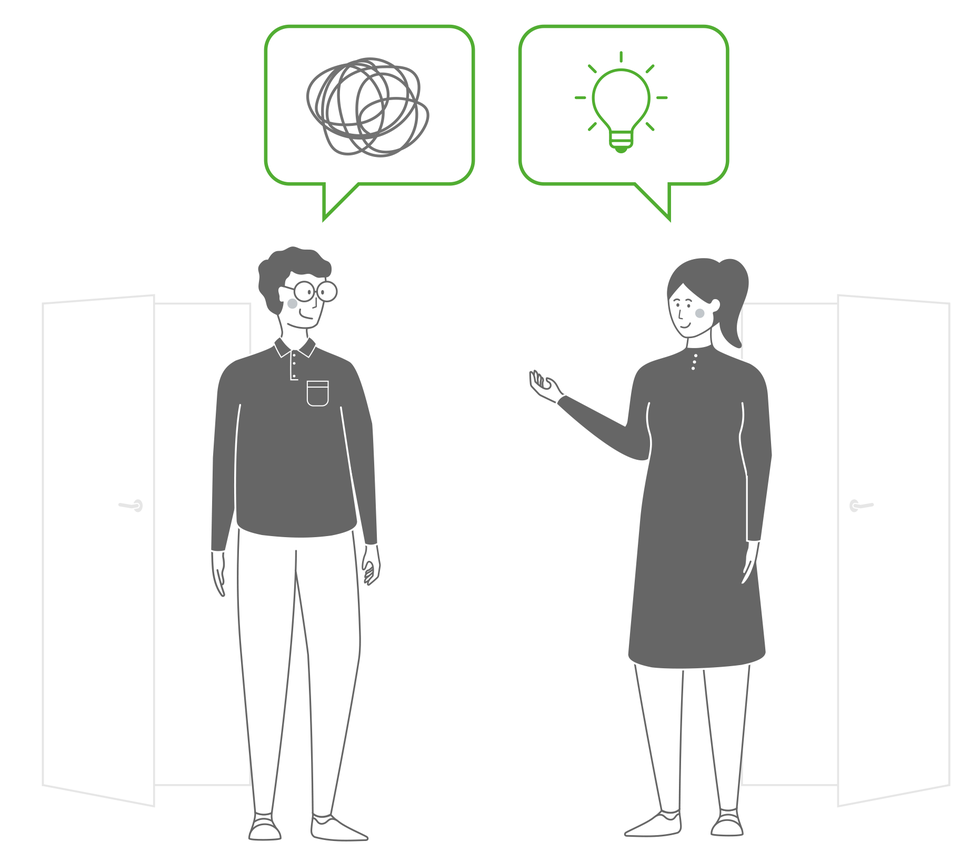
We see learning as a continuous process. Short feedback loops, accessible information and joint reflection are part of our day-to-day work. Knowledge is shared rather than hoarded, allowing others to build on it, develop it further and learn more quickly. Tensions and deviations are signals that we use to develop further as a team, circle and organization. This creates a learning organization that does not wait for an “annual review” but continuously makes adjustments.
How do we experience this in our day-to-day work?
-
We regularly reflect on our actions and actively seek and provide feedback that is concise, specific and timely.
-
Knowledge is actively shared, and tools and platforms are used to make information easy to find.
-
We continuously work on our own development and support learning within our environment.
-
Suggestions for improvement are continuously contributed and implemented – learning results in visible change.
-
The status quo is constructively challenged: when tensions are identified, we initiate change instead of simply waiting for them to pass.
Goal: We learn continuously through short feedback and reflection loops, easily accessible shared knowledge and improvements that are consistently implemented. We openly address tensions and actively drive change.
People & Performance
We focus on people, their strengths and the diversity of their perspectives because complexity cannot be managed through “more control”, but through the right fit and collective intelligence. We understand performance as reliably delivering value and taking ownership of both results and deviations. Success is not about pressure, but about a shared ambition: we want to make an impact, learn and continuously improve. Putting people first does not mean creating a comfort zone. It means supporting and challenging people within a clear framework.
How do we experience this in our day-to-day work?
-
People take responsibility for both successes and failures and respond proactively when something goes off track.
-
There is a tangible determination to deliver, and achievements are deliberately made visible and recognized.
-
Performance is not based on gut feeling but is assessed against clear points of reference: we know where we stand, understand best practices and continuously improve.
-
Talents are deployed where they can contribute most effectively rather than being confined to predefined areas of responsibility, and diversity is used as a driver of quality.
-
Performance is not seen as an individual endeavour, but as the collective performance of a team or circle, supported by clear accountability.
Goal: We deploy diverse talents where they can contribute most effectively and reliably deliver value as teams and circles. We manage performance through best practices and continuous improvement, respond proactively to deviations and make achievements visible.
What Our KEBA DNA Creates in Everyday Work
What does the KEBA DNA feel like in day-to-day work? What does it change in collaboration, in decision-making, and in personal responsibility? Our female employees share their personal experiences – honest, reflective, and first-hand. Their voices show how culture is lived at KEBA and what it makes possible for each and every individual.
“For me, the KEBA DNA is primarily about the fact that, as KEBAns, we are able to work with a high degree of personal responsibility, autonomy, and flexibility. In concrete terms, this means that as an expert in your field, you can make decisions without major bureaucratic hurdles and truly drive things forward. I really appreciate the great trust placed in me here and the fact that my know-how is valued.”

“For me, the KEBA DNA is the perfect organizational model for a modern, future-ready company like KEBA. There is a strong focus on self-organization. This means that as a new KEBAn, you can start making an impact very quickly and contribute to a wide range of topics. I especially value the open feedback culture – for me, it is the best foundation for rapid development. Thanks to our agile way of working, we can adapt structures and strategies and respond quickly to external changes.”

“For me, the KEBA DNA stands for a culture in which personal responsibility and trust are top priorities. What makes it special is that decisions are made where the expertise resides – directly by the experts. This ensures speed, clarity, and a strong sense of ownership of the results. I experience motivated colleagues who can leverage their strengths effectively and work together on solutions that truly make an impact – for our customers and for KEBA.”

“For me, the KEBA DNA means having the opportunity to shape things – both the organization in my environment and the products we offer. This allows me to actively help shape the energy transition with my passion for digitalization. For me, the KEBA DNA is a living framework that enables people to take responsibility, find meaning, and grow together. It creates space for self-organization, trust, and continuous development – both personally and as a team.”