UX Next Level: Less complexity. More experience
- 30.4.2026
- Reading Time: {{readingTime}} min
Contents
Service expectations are evolving rapidly. They are increasingly shaped by digital solutions that are simple, intuitive, and accessible. At the same time, complexity in the background continues to grow, alongside rising pressure on costs, efficiency, and resources within existing service structures.
Within this context, a central question emerges: How can self service be designed not only to function, but to create real value?
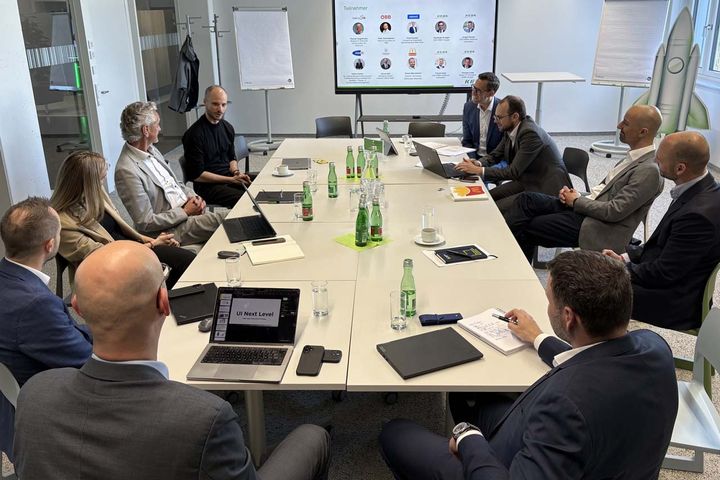
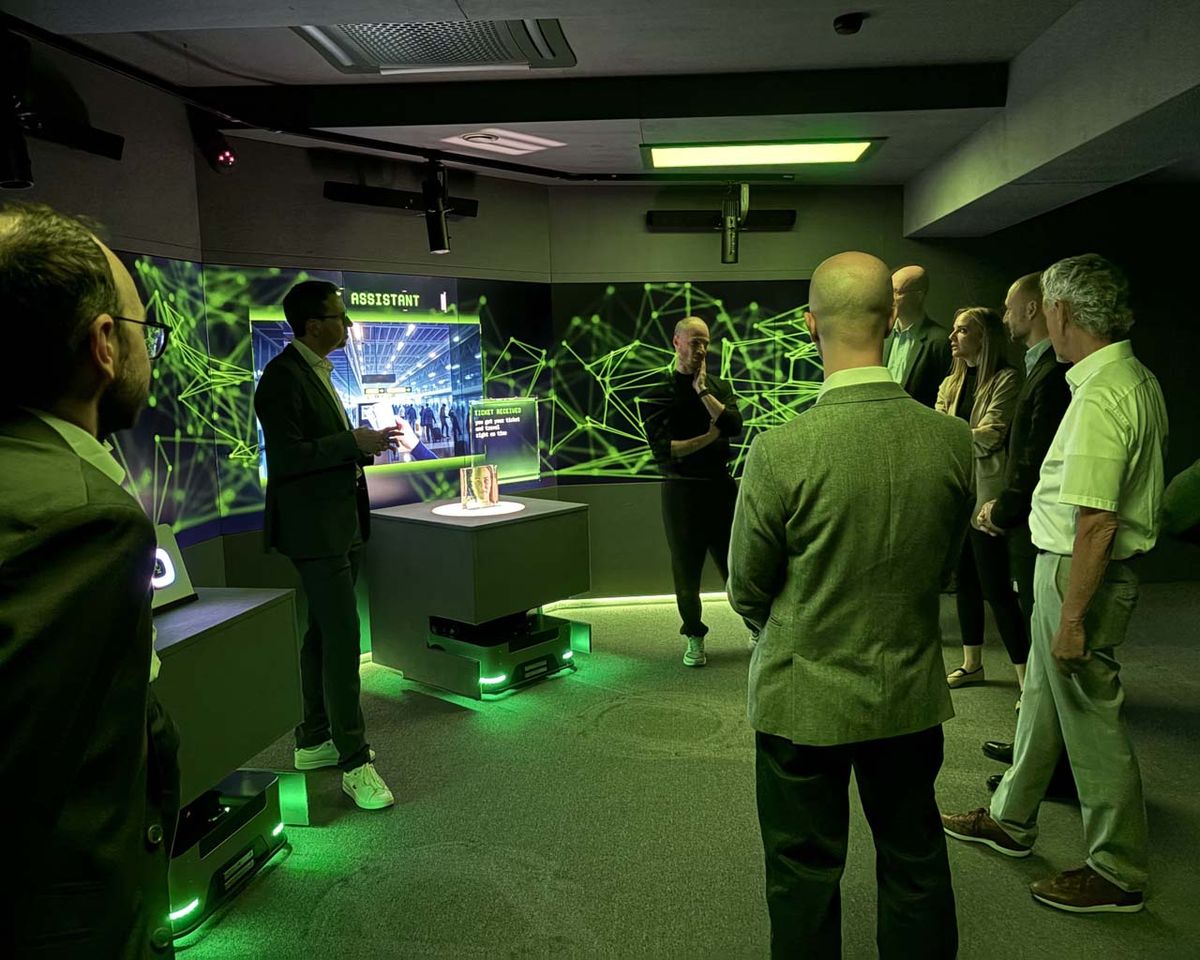
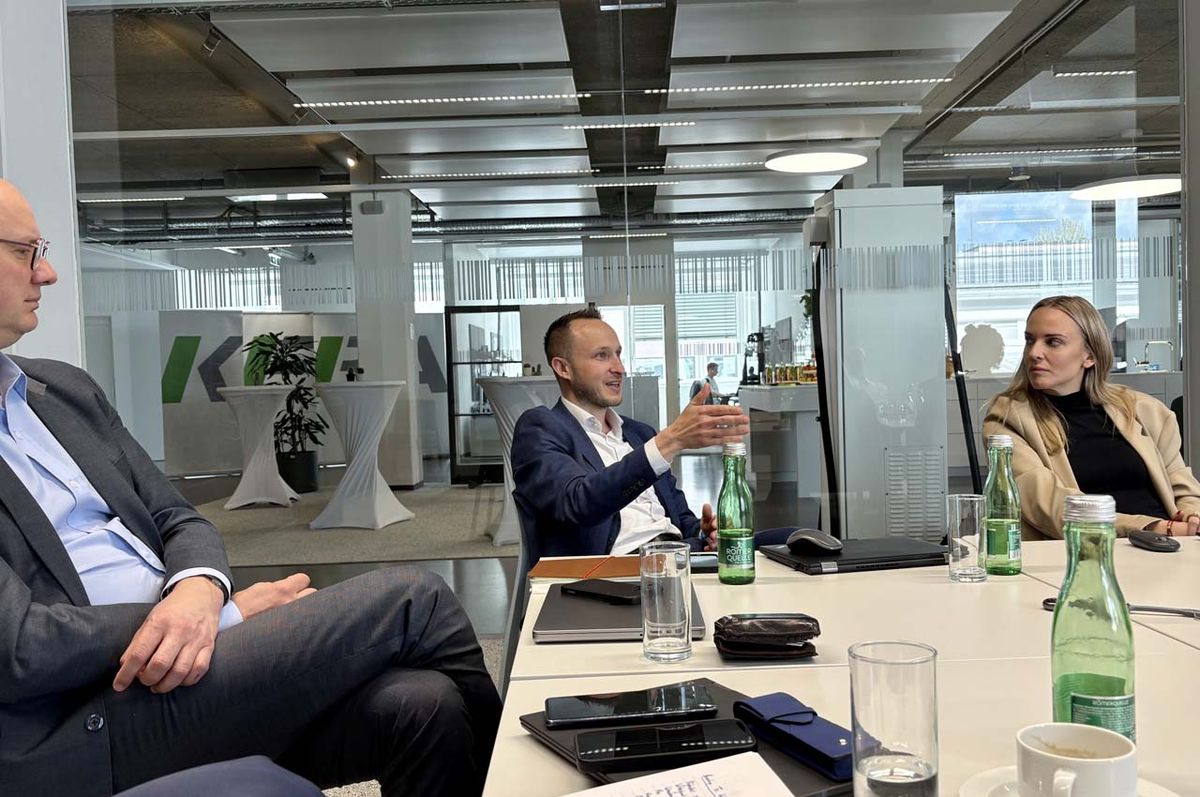
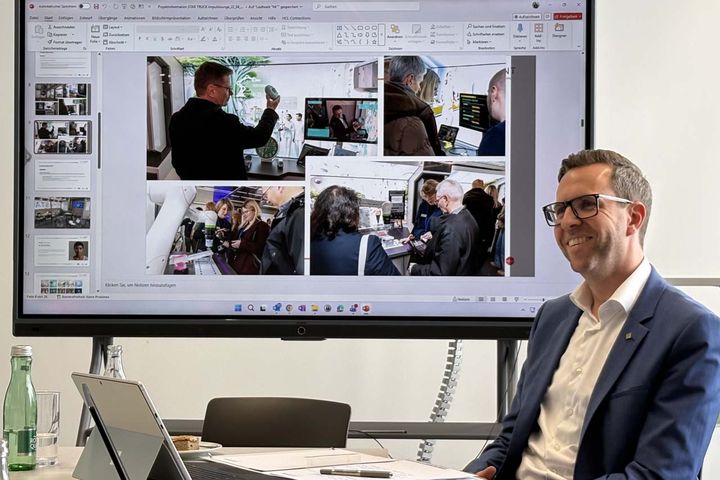
The Open Innovation Exchange of the KEBA Group addressed exactly this question. It explored how companies can reduce complexity while creating new service experiences through consistent user centric approaches, intelligent systems, and the targeted use of artificial intelligence.
Understanding and reducing complexity
As digitalization progresses, systems, processes, and organizational structures become increasingly complex. For companies, this means greater effort. For users, however, this complexity must remain invisible.
Thomas Gegenhuber emphasizes: “The reduction of complexity through well designed user experience is a necessity in times of skilled labor shortages.”
Against the backdrop of limited human resources and varying levels of digital competence, it becomes clear how important it is to design systems that can be used without significant barriers to entry. Intuitive usability becomes a decisive success factor.
This is not only about design in the traditional sense. It is about how processes are structured, how information is prepared, and how interactions are guided.
Rethinking self service
Self service is a key lever for efficiency and scalability. At the same time, expectations regarding its quality are increasing. Users expect solutions that are self explanatory and work without additional support.
Jelena Gartler describes this clearly: “It is not enough to digitalize processes. We must design them so that they are understandable, logically structured, and easy to use.”
Successful self service consistently aligns with the user perspective. Complex processes are simplified, decisions are supported, and access to services is made easier.
Only when these principles are fulfilled is self service perceived as real support and used sustainably.
„It is not enough to digitalize processes. We must design them so that they are understandable, logically structured, and easy to use.“
Artificial intelligence as an enabling force
A major driver of this development is the use of artificial intelligence. Its potential unfolds particularly when it operates in the background and provides targeted support to users.
“I see AI as an invisible assistant that supports, personalizes, and provides orientation in the background,” says Jelena Gartler.
Artificial intelligence can identify patterns, simplify processes, and address individual needs. At the same time, humans remain at the center. Technology supports without replacing control.
Bernd Albl highlights a clear shift: “Interaction increasingly happens at the right moment and in the right context. Interfaces are moving into the background.”
This also changes the understanding of user experience. The focus is no longer solely on the interface, but increasingly on processes, logic, and the interaction between systems.
Practice demonstrates the shift
The extent to which self service is already established can be seen across industries.
Arman Manutscheri describes developments in his environment: “Over 80 percent of transactions in our restaurants are now processed via kiosks.”
At the same time, backend complexity continues to increase. New channels, rising demand, and additional requirements are changing workflows and placing new demands on organizations.
This makes it even more important to design processes that optimally support both customers and employees.
User experience as an economic factor
The discussion clearly shows that user experience goes far beyond design. It is becoming a key economic factor.
Rising complexity, increasing cost pressure, and the need for scalable solutions are forcing companies to fundamentally rethink their services.
Bernd Albl puts it succinctly: “The reduction of complexity is becoming a central economic factor.”
Companies that succeed in making complex systems easy to use not only create better experiences but also achieve sustainable competitive advantages.
The future lies in hybrid models
Despite all technological advancements, personal interaction remains an essential component of service.
“In the long term, hybrid models will be decisive,” emphasizes Jelena Gartler.
The combination of intuitive self service and targeted personal support makes it possible to balance efficiency and quality. At the same time, new forms of interaction and stronger relationships with users are emerging.
The Open Innovation Exchange makes it clear that reducing complexity will be one of the central challenges in the years ahead. Thomas Gegenhuber summarizes: “It is not just about more attractive interfaces, but about economic viability and social participation.”
A consistent focus on user needs, the targeted use of technology, and the integration of digital and personal services form the foundation for successful service concepts. Simplicity is becoming a core capability in an increasingly complex world.
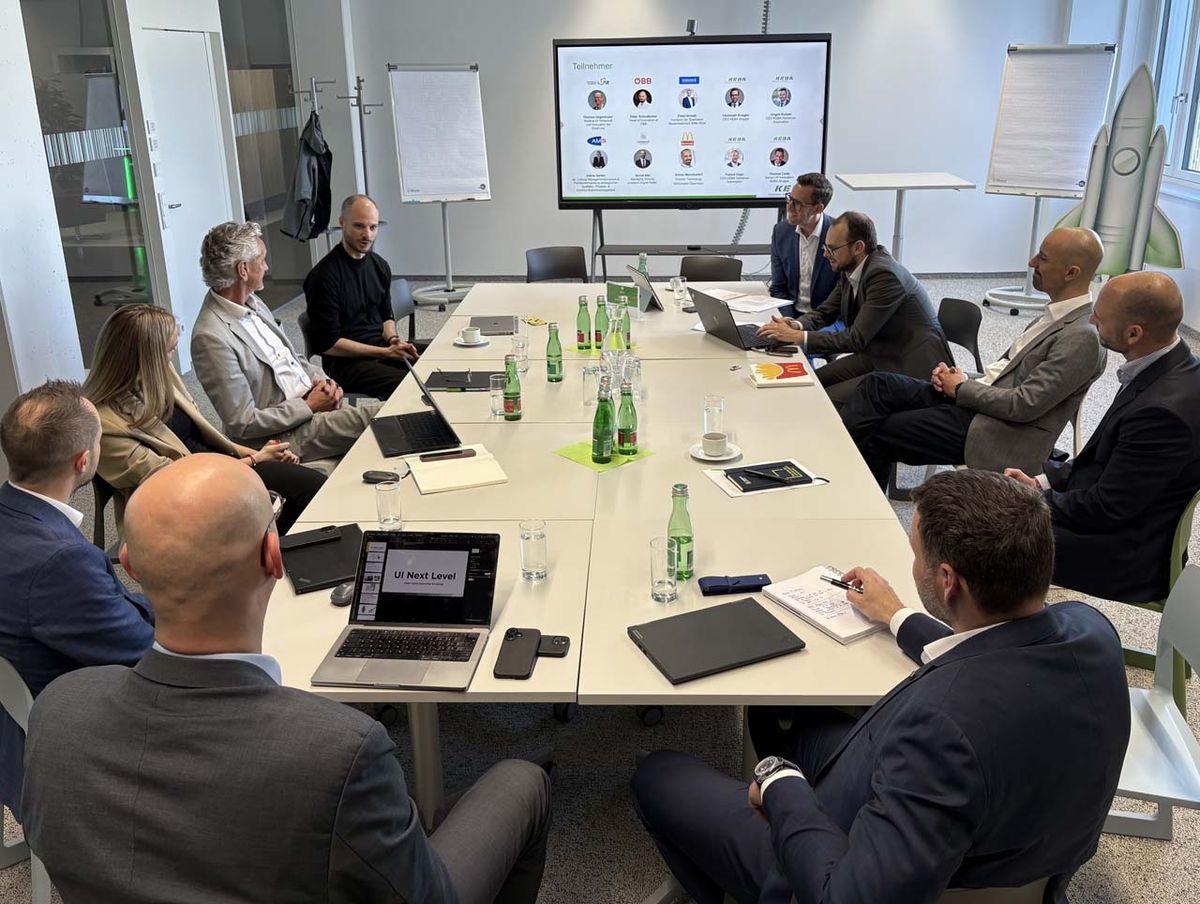
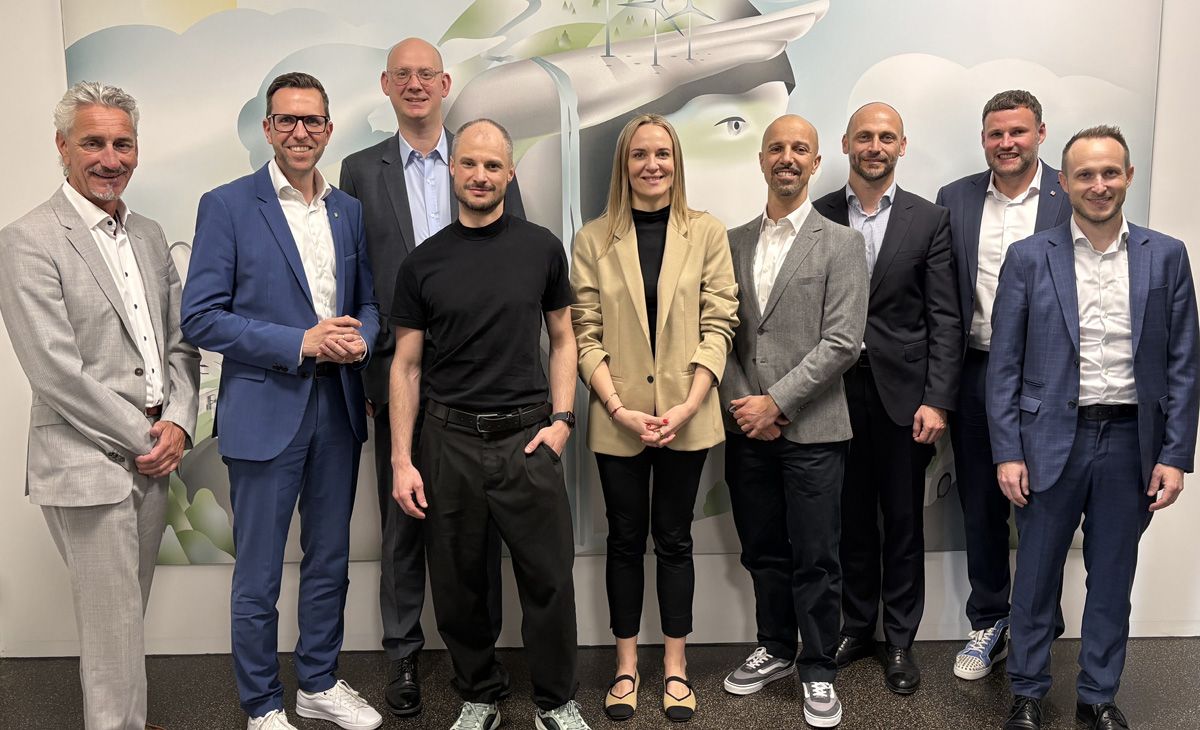
Participants of the Open Innovation Exchange included Jelena Gartler, Deputy Head of Management Processes and Head of Strategic Quality, Process, and Communication Management; Thomas Gegenhuber, City Councillor for Economic Affairs and Innovation of the City of Linz; Arman Manutscheri, Director Technology McDonald’s Austria; Bernd Albl, Managing Director umdasch Digital Retail; Sebastian Berger, Senior Innovation Strategist at ÖBB; and Thomas Linde representing KEBA.
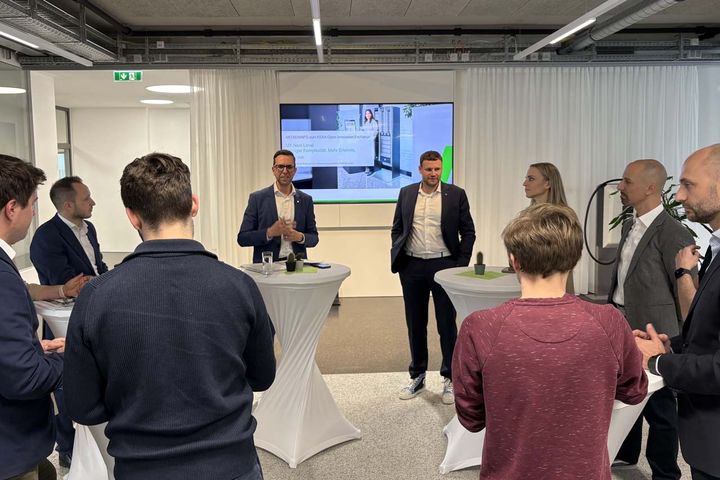
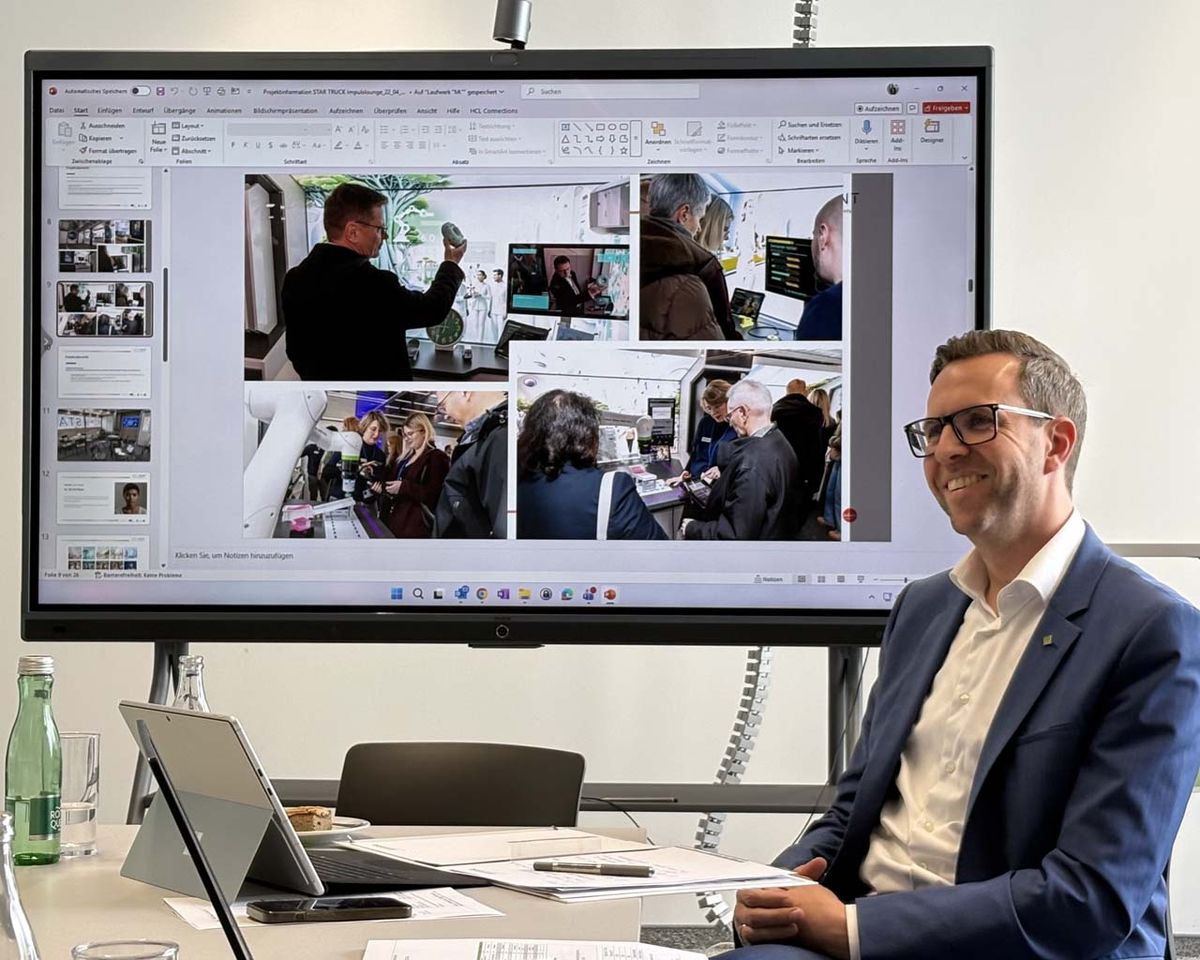
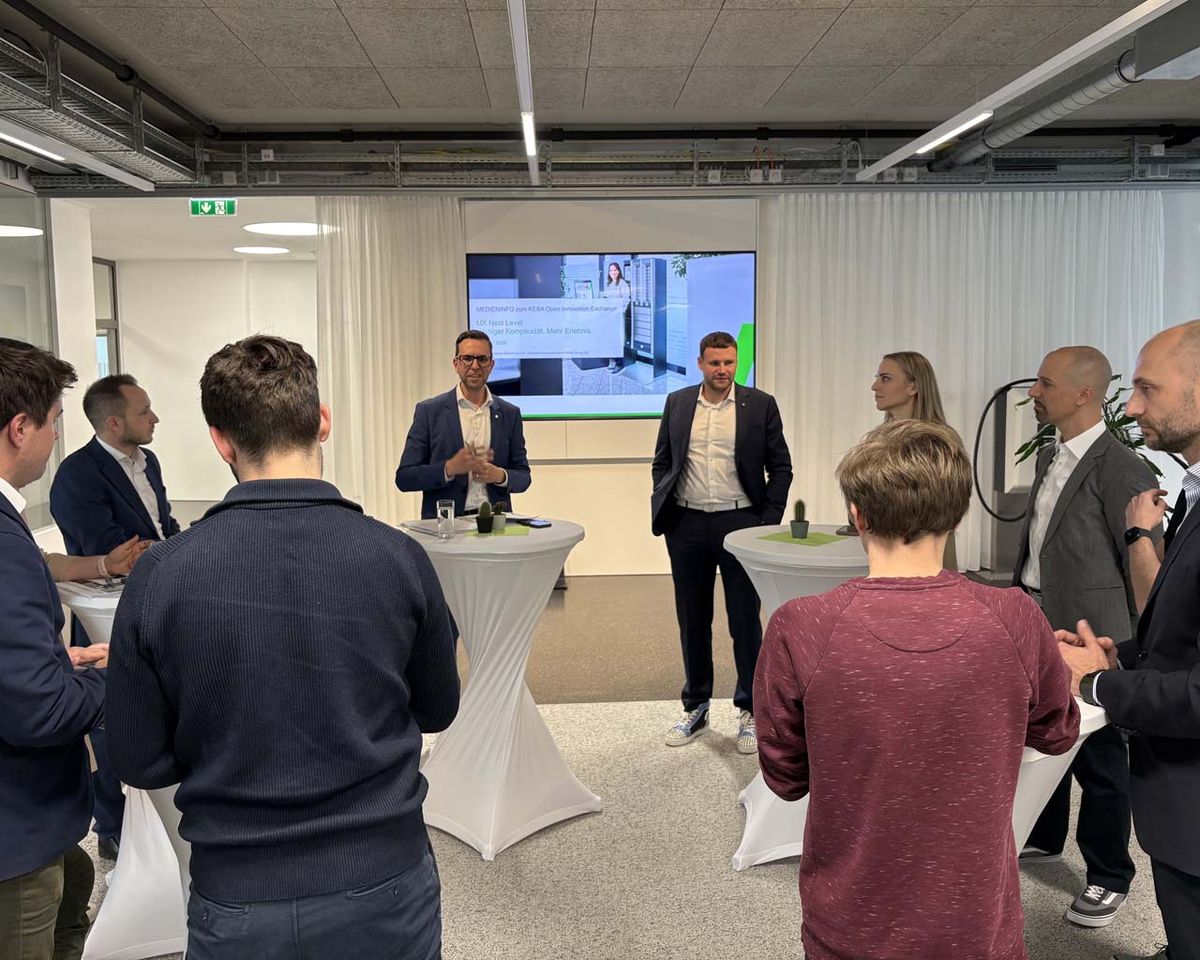
The event was hosted by Jürgen Kusper, CEO of KEBA Handover Automation GmbH, and Patrick Gojer, CSO of KEBA Handover Automation GmbH. Moderation was led by Christoph Knogler, CEO of the KEBA Group.