





Smart controlling of energy flows in machines and reduction of grid loads
The KeDrive D3 Smart DC System makes it possible to manage braking energy, peak loads, and grid outages. Machine builders use it to develop more efficient and robust machines; plant operators reduce energy and connection costs, increase uptime, and relieve the strain on the grid.
The solution combines active power supply, servo drives, and controlled energy storages in a shared DC grid within machines or production cells.
Benefits for machine builders and plant operators
- Reduction of grid peak loads (peak shaving)
- Intelligent use of braking energy
- Bridging of short-term grid outages
- Stabilization of the DC link
- Reduced grid load from motors

Energy efficient
Full recovery of braking energy

Resilient
Backup power supply &
reduced grid outage risk

Peak shaving
Grid-friendly &
lower electricity costs

Resource efficient
Reduced material use
What is KeDrive D3 Smart DC Systems?
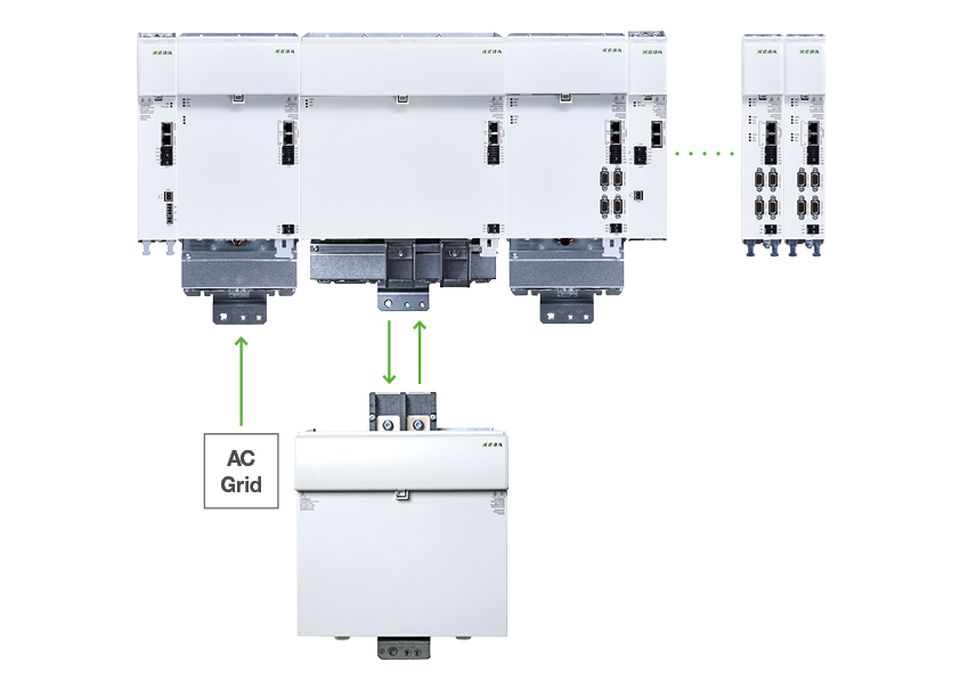
KeDrive D3 Smart DC Systems is a modular DC drive system for industrial machinery that integrates servo controllers, controlled energy storages, and active power supply units into a common DC grid.
The system enables a dynamic, continuous, and bidirectional exchange of energy between all components in the DC network. As a result, energy flows within the machine can be selectively distributed, temporarily stored, or fed back as needed.
A typical system consists of an active power supply unit (D3-DP / D3-DL), a central energy manager (D3-EM), energy storage modules (D3-ES), and servo controllers from the KeDrive D3 family.
Peak shaving in machinery
Grid relief and cost savings through peak load reduction
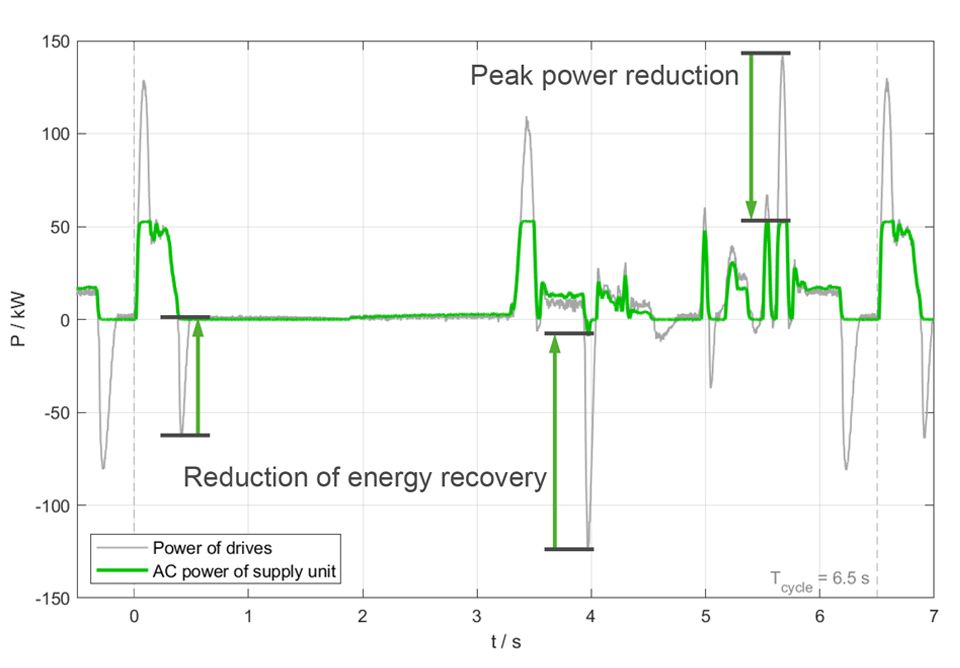
Peak shaving specifically reduces short-term power peaks that typically occur when machines accelerate. A controlled energy storage system acts as a buffer: it stores energy during periods of low load or from braking processes and releases it precisely when high power is needed. As a result, the additional energy required during these peaks does not have to be drawn from the grid, but comes directly from the storage system.
The benefits are most evident in significantly lower grid load and reduced costs. In a practical example, the maximum grid power consumption of a press was reduced by approximately 63%, while at the same time braking energy was almost entirely utilized internally rather than being fed back into the grid.
Machine builders can use this technology to design machines with reduced grid connection capacity, saving on grid connection costs. Plant operators can downsize the machine’s power connection and its associated components. In addition, they benefit from lower energy costs and more stable processes.
Overall, peak shaving decouples dynamic peak loads within the machine from the power grid, making energy use more efficient and easier to control.
Technical specifications
| Active supply unit | Energy Manager (D3-EM) | Energy Storage (D3-ES) |
|---|---|---|
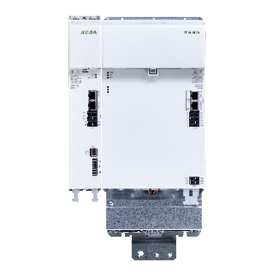 | 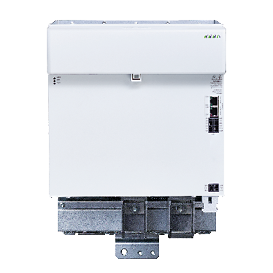 | 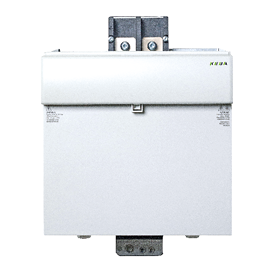 |
| Rated power: 30 kW / 55 kW | Rated power: 63*/75** kW | Capacity: 110 mF |
| Peak power: 60 kW (10 s) / 110 kW (10 s) | Peak power: 94*/118* kW (0,2 s) | Voltage range: 100–390 V |
| Max. DC-link capacitance: 40 mF | Max. power: 202*/240** kW | Max. Energy: 7.8 kJ |
| Specifications for a storage voltage of 300 V | ||
| Accessories: Power filter, LC filter D3-LC | Accessories: DC choke D3-EL |
Typical applications
The projects already implemented in real world applications can be easily adapted to other machine and system designs, such as press brakes and bending centers, lifting systems (e.g. in intralogistics), drive technology in wind turbines (yaw systems), or highly dynamic production lines.
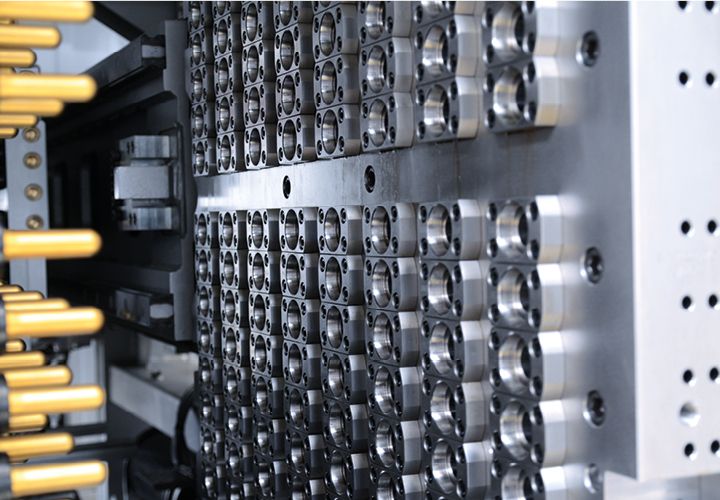
Injection molding machines
Benefits / Function
- Dynamic power supply during a power outage
- Stabilization of the DC link
Practical Example
- 300 kW power injection for 30 ms
- Very short response time of 1 ms
- Energy storage system with 6 kJ
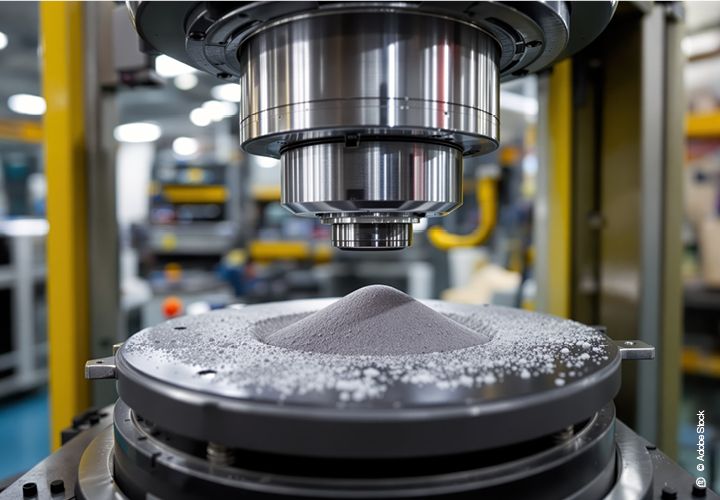
Powder presses
Benefits / Function
- Peak load reduction (peak shaving)
- Complete storage of braking energy
- Lower grid connection costs
Practical Example
- Reduction of power consumption by 63% (142 kW to 53 kW)
- 95% of braking energy stored in the system
- Reduction of the connection cross-section from 95 mm² to 25 mm²
- Energy storage capacity of 15 kJ
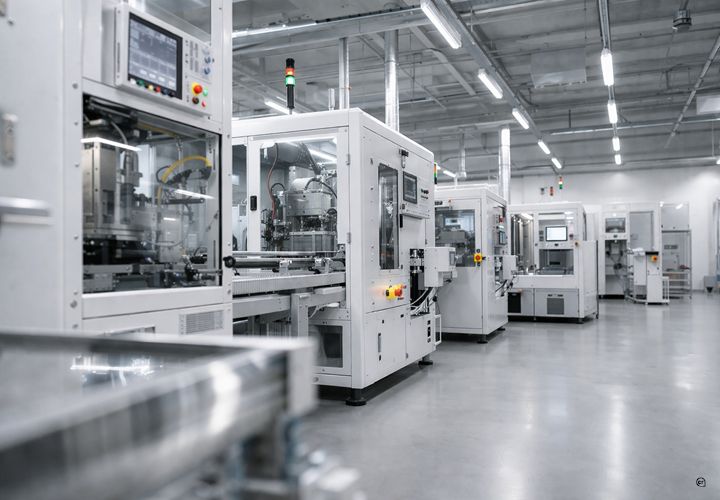
Production line with multiple machines
Benefits / Function
- Shared DC grid to supply the machinery
- Energy exchange between machines
- Reduction in the cell's power consumption
Practical Example
- 30% reduction in power consumption (from 38 kW to 26 kW)
- Energy storage system with 6 kJ
Frequently Asked Questions
Do you have questions about regulated energy storage systems or KeDrive D3 Smart DC Systems?
We’ve compiled answers to the most frequently asked questions for you here:
KEBA is a member of the ODCA
The Open Direct Current Alliance is an industry initiative for the development of open DC grids for industrial applications. KEBA actively supports the development of future-proof DC energy architectures and solutions for machines and production systems.
You might also be interested in
Success Story NETSTAL
In collaboration with KEBA, the Swiss company NETSTAL was able to develop a solution for more cost-effective PET production.
KeDrive configurator
Just a few clicks to find the right drive: Our KeDrive configurator makes it easy to select servo controllers and accessories.
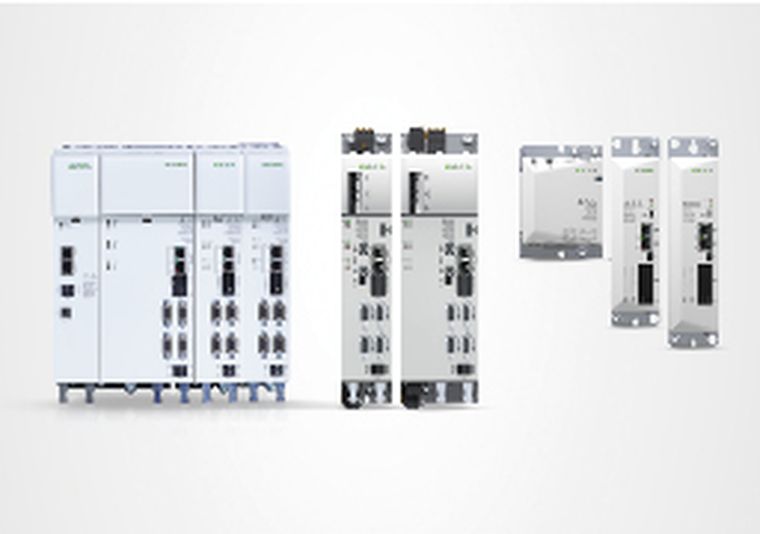
Servo controller
Our servo controllers offer high dynamic performance and precision for a wide range of applications in industrial automation.


Thank you for your request. Our KEBA Customer Support will get in touch with you soon.