


An unconventional approach to motion control and machine design
- References / Success Stories
- Drive Technology
- 16.10.2026
- Reading Time: {{readingTime}} min
Contents
The Italy-based company SPL Soluzione s.r.l originally offered services, technological support and tooling for cold forming and deformation businesses. Based on customers’ requests the company decided to start engineering and building machines as well. SPL machines are used to produce and finish aluminum containers of all types mainly for the beverage, the cosmetics, beauty, and healthcare industries. In designing machines SPL did not go the traditional way, though. They went their own way, together with partners that have the relevant expertise to accompany on such a journey.
New way of thinking
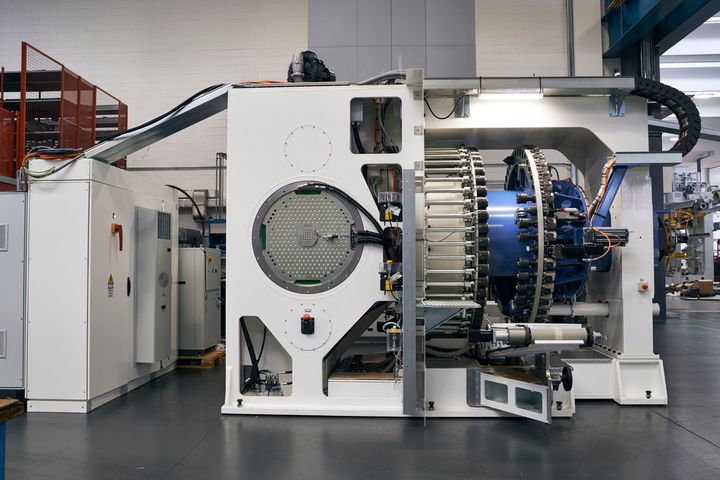
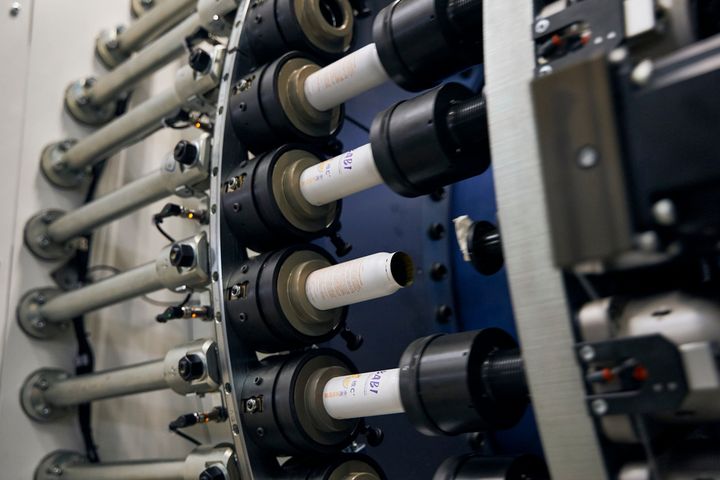
In conventional machine design, a single main motor defines the overall machine speed, while each axis follows a mechanically predefined path via cams or rigid mechanical linkages. These master–slave relationships are hard‑coded in the mechanical design and require physical modifications to change motion profiles. SPL follows a different approach, reacting to their customers’ requests: each axis is driven by its own dedicated servo motor, and the relationship between the master axis and each slave axis is defined electronically by a motion controller. All correlations and motion paths are implemented in software rather than mechanical components. This software‑defined motion concept significantly reduces mechanical complexity, increases flexibility in motion profiles, and simplifies maintenance due to the reduced number of mechanically coupled parts.
The conditions: not the easiest ones for machine builders
Machines designed by SPL run really fast. Not in a continuous way but with indexed movements.
Pisoni: “Machines from SPL are not only fast, they also move tons of mass. So we have to be very precise in motions, during intermittent running but also during safety stops. Machine controllers must permanently grant precise coordination between moving parts to avoid collision.”
The designed electronics have to control these moves. SPL machines typically produce 220 cans per minute, the dynamics are enormous leading to high acceleration and jerk in the machine. Standard SPL machines reach a thrust force of 15 tons and need to achieve a tolerance level of 0.2 – 0.3 millimeters only. Pisoni: “This frame of speed, dynamic, precision, and power indicates the level of engineering we are talking about.”
“The main reason why I contacted KEBA was not because I was looking for a solution to a problem. It was about an opportunity where I thought KEBA could play a crucial role.”
When engineering matters
What SPL needed now was not a specific solution for a single topic. Since SPL was brand new in the machine building business, core competencies like designing machines and mechatronics were rather new to them.
Pisoni: “Once we started thinking of designing machines on mechatronics level, it was clear that we could not find and hire all the people needed for calculation, drawing, engineering etc. We started as a small company and will also in future remain slim.” So SPL started looking for partners and decided to outsource their technical office to Alpha Proggetti.
For motion design and mechatronics they were looking for a partner to develop reliable solutions - a partner they could establish a relationship with. Based on strong recommendations from an experienced engineer in their network, SPL approached KEBA. Pisoni: “Because starting from zero with a concept that is fully new to the machine building industry means we needed partners who could take care of all the development parts by themselves. That was a matter of trust.”
Important to SPL was the availability of direct engineering contacts. Which they found with KEBA. “Also the size of KEBA suited us fine, allowing for short communication paths, and the fact that KEBA was not supplying to our competitors added to the trust we already had built up,” Pisoni explains. A third good reason to partner with KEBA was its product range, KEBA being able to supply small motors but also very large ones – the entire range being offered from one single source.
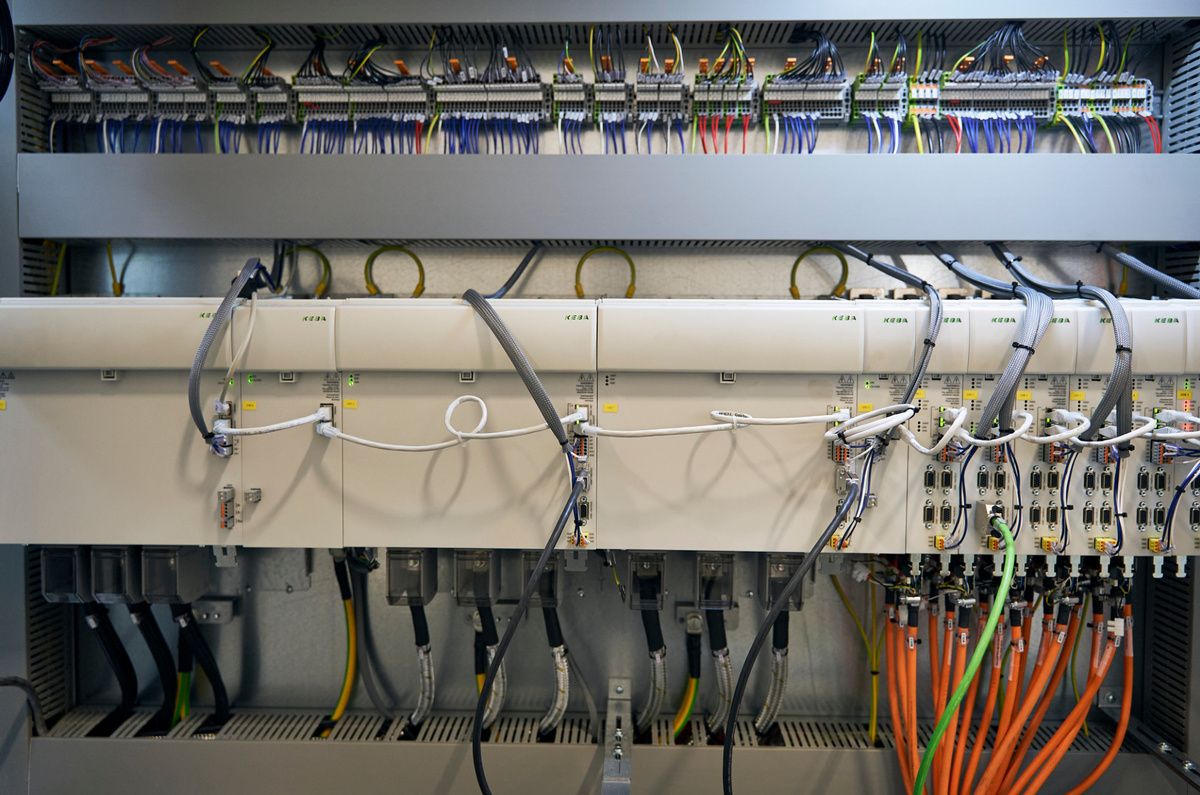
Pisoni: “KEBA very early in the process proved to be the right partner for us – also on a technological level.” One of the engineers in the Italian team proposed and developed a modular software layer that enabled SPL to transition from mechanically defined motion concepts to a fully mechatronic, software‑driven approach across all machines. A significant part of SPL’s success is attributable not only to the KEBA products, but also to the intensive engineering support provided. This included long-term collaboration on process optimization and solution development, ensuring that the intended machine concepts could be implemented reliably and consistently.

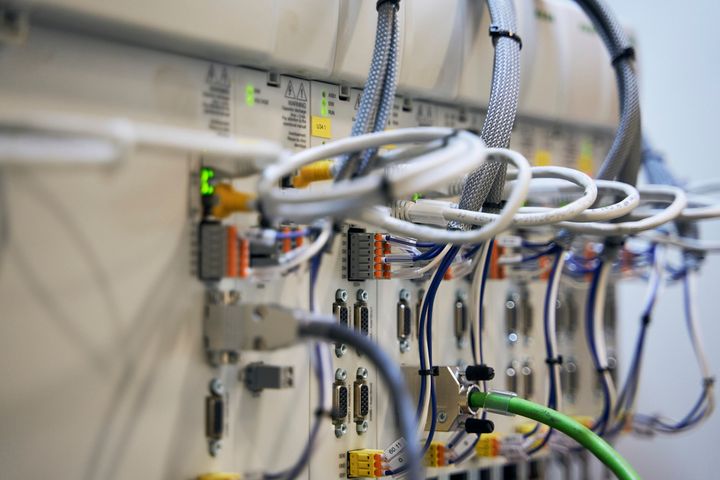
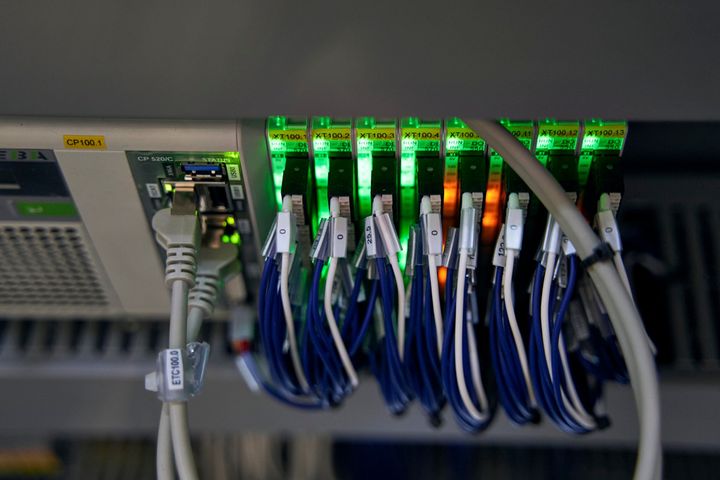
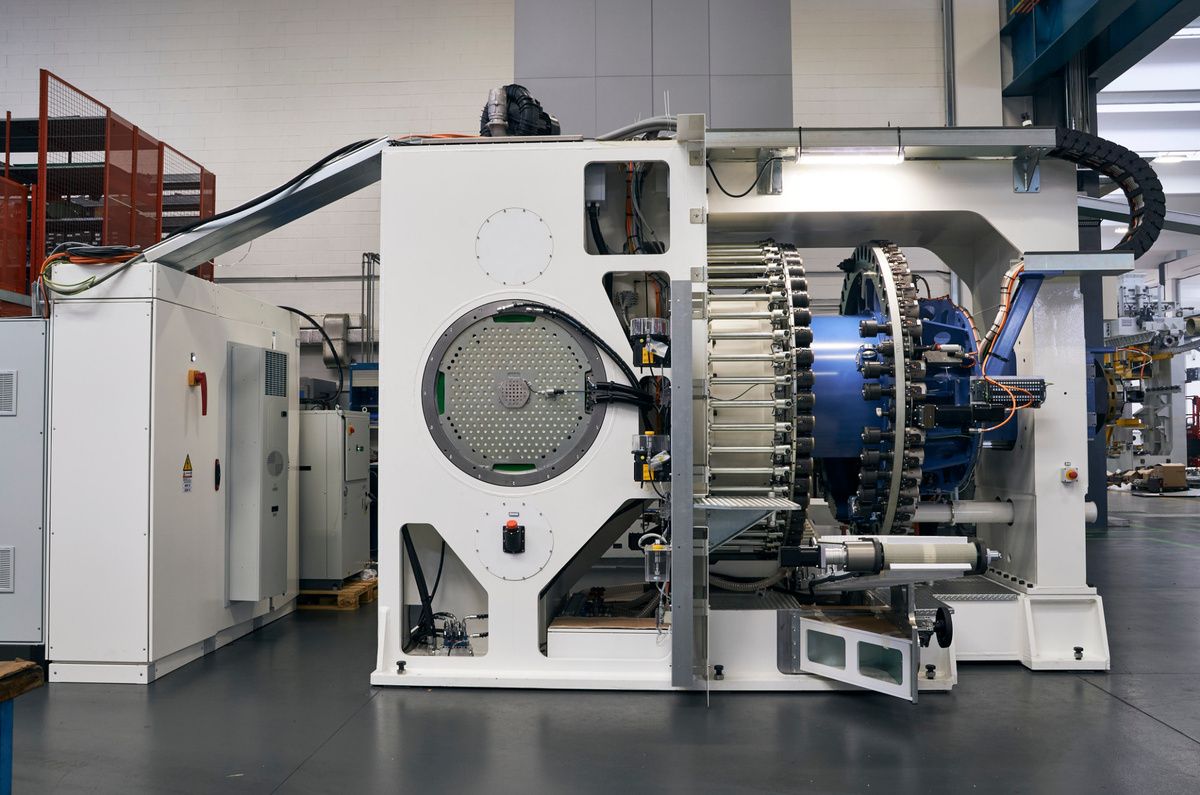
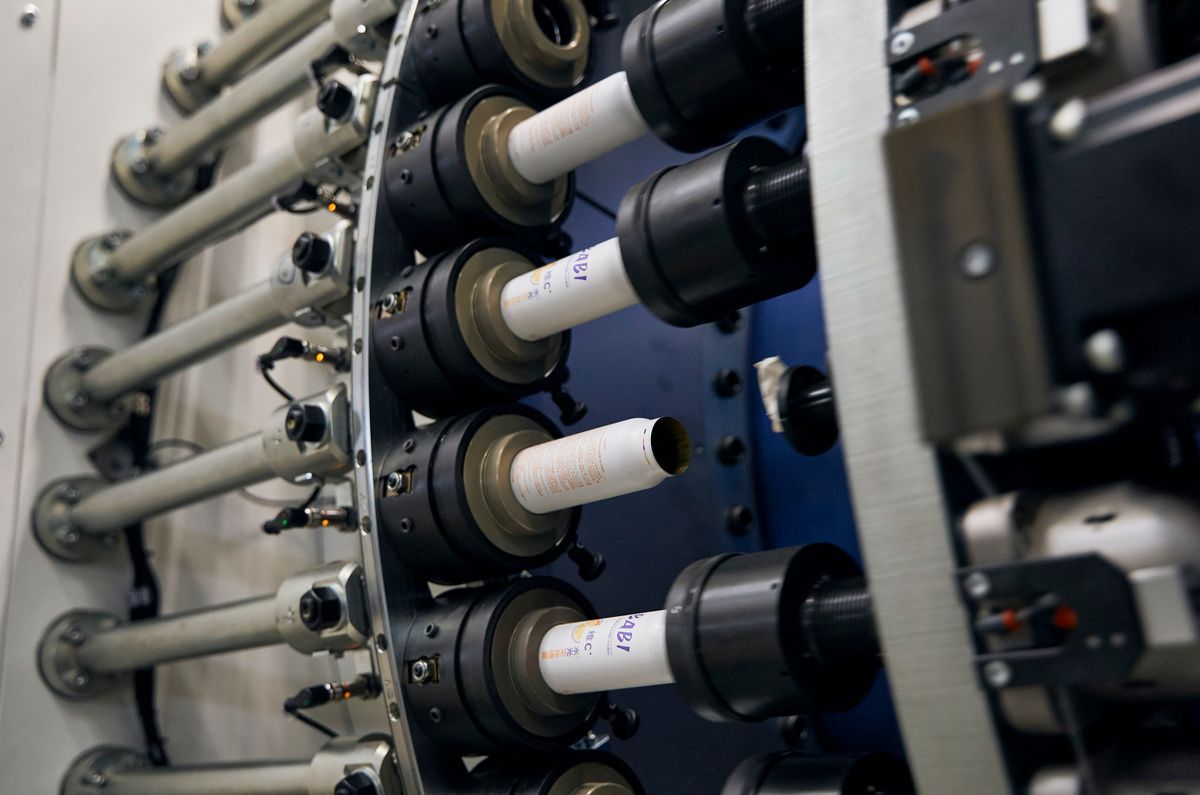
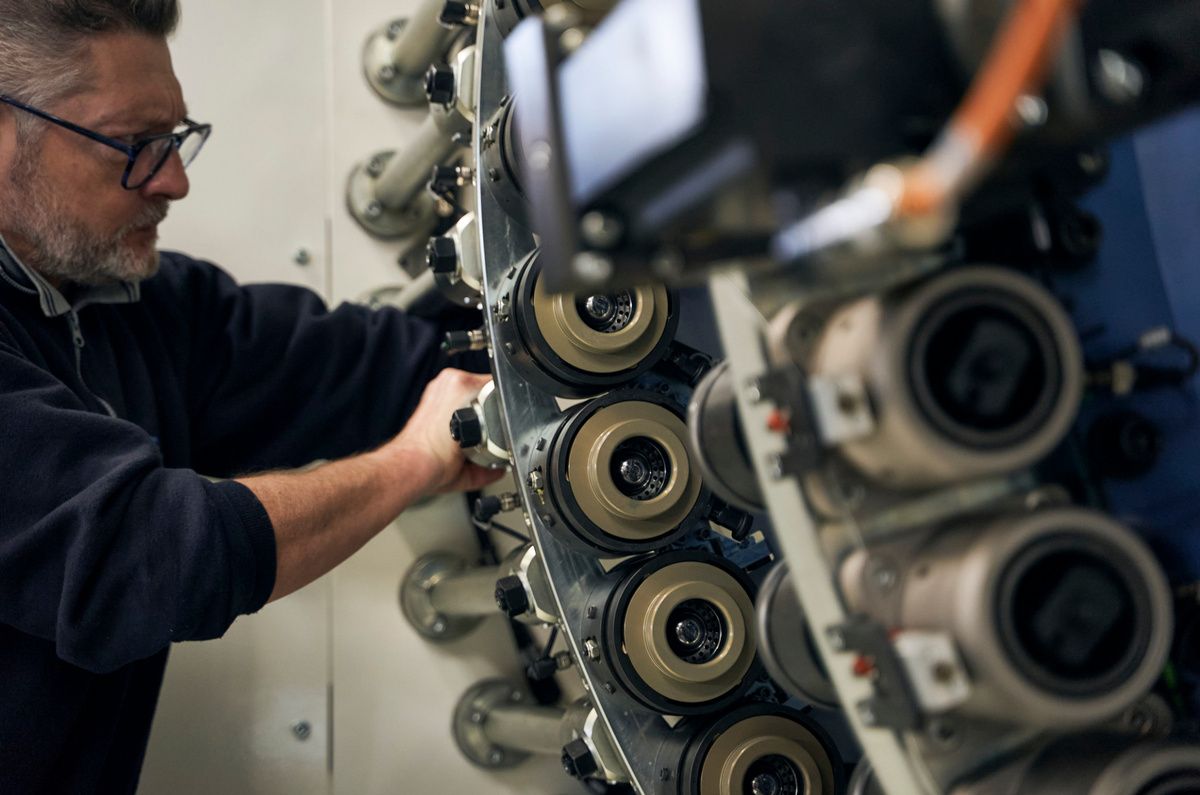
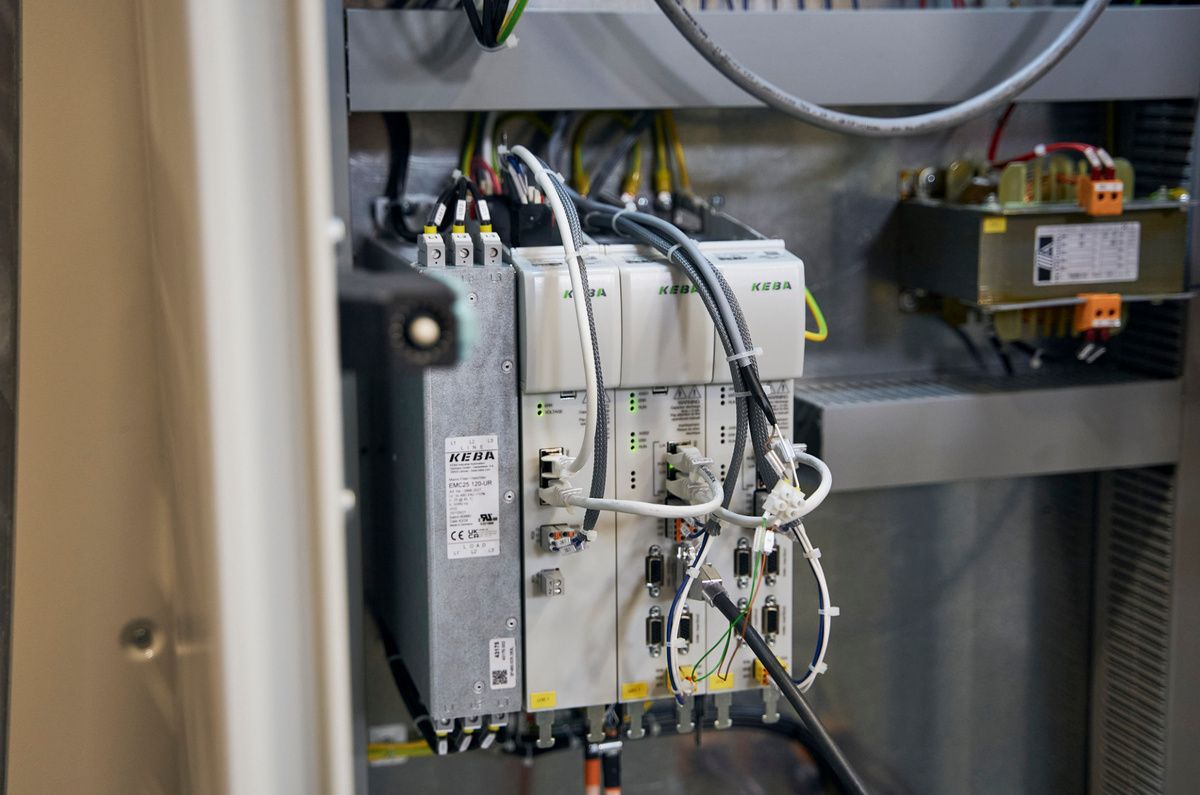
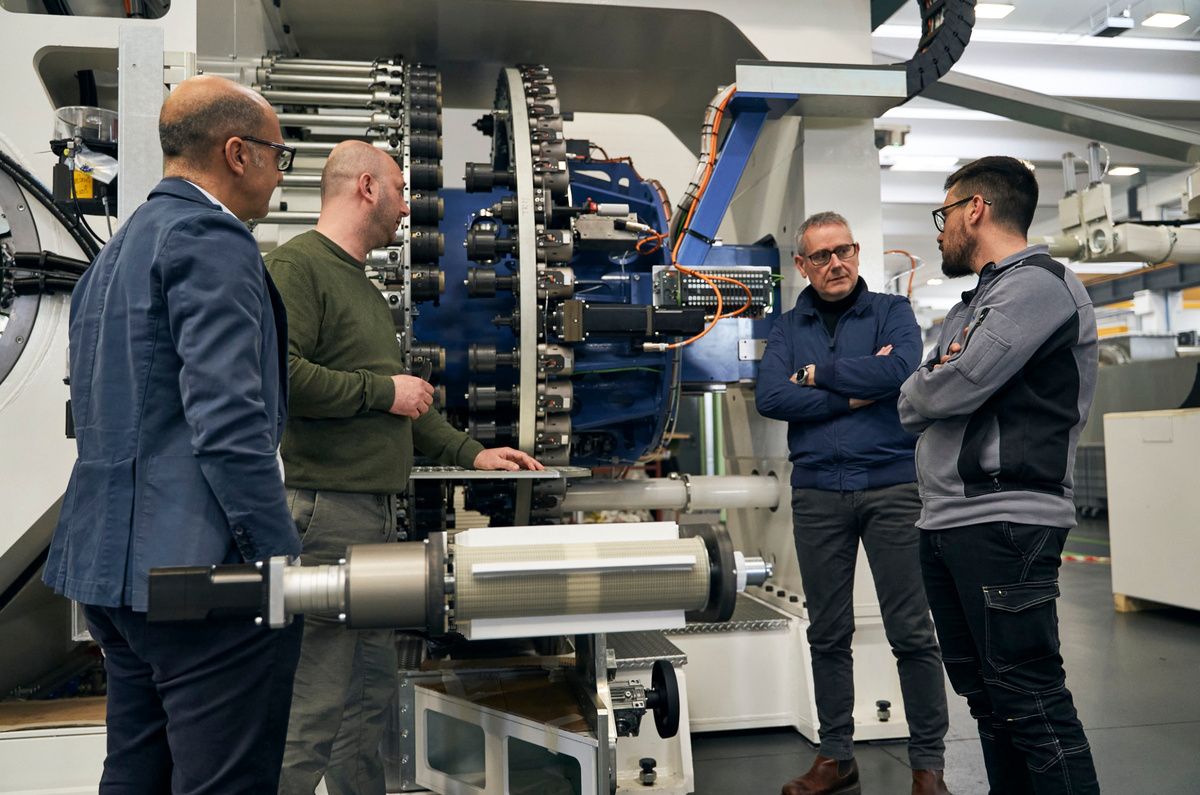
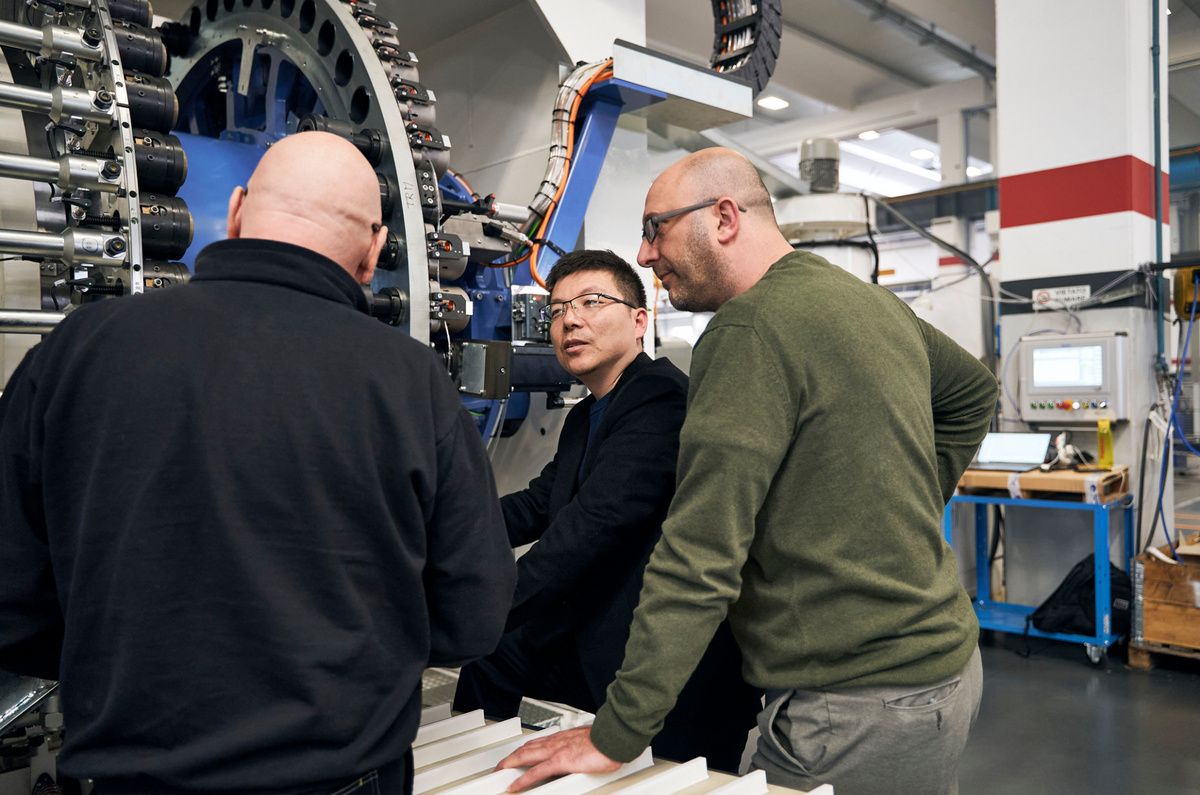
A closer look at the market
Basically the market SPL is targeting can be divided into two major groups. Independent of size, international standards for global brands in these industries need to be met.
The larger players in the market typically have a stable production with only limited changs and large batches sizes. Pisoni: “Most of the time they need optimized solutions – for instance special printing or finishing or very tight sustainability goals with a focus on carbon-free, environmentally friendly products and processes”. For these large producers a stable process is key: only few changes, nearly always the same products and a 24/7 non-stop production are common.
On the other side SPL supports companies that focus on smaller brands. They typically have smaller batches and less trained personnel, therefore changes in production are more frequent.
Cooperation with KEBA – a fair trade indeed
SPL considers KEBA as a highly competent and reliable partner with strong expertise in defining the right overall solution, based on deep mechanical understanding and precise motion calculations. KEBA’s ability to model each movement enables optimized motor and drive sizing within the full system context. The technical input provided by KEBA directly influences and improves the final machine design, and SPL values both the professionalism of the people involved and the flexibility to tailor motor solutions. Pisoni: “KEBA is perceived as a true development partner, contributing actively to improving the final line and product, far beyond a purely financial or supply‑driven role.”
“In the end, with KEBA we found valuable skills that supported us in making the ambitious decision to design machines adopting direct drive technology. In addition, the KEBA servo drives proved to be excellent in perfectly controlling the two large torque motors that drive the two main movements of the machine. This radical choice allowed us to be recognized as an innovative outsider in an established market that relied on conventional technologies.”
NETECH - shaping the future of the packaging industry: made in Italy and with a common vision
Three Italian companies SPL, Montoli, and IMF Engineering joined forces and have merged their expertise under the brand NETECH to offer an integrated line of solutions for the aluminum packaging industry, covering the entire production cycle - from design to after-sales support. The joint venture aims to become the leading Italian reference in the aluminum packaging industry for flexible tubes and aerosol containers for some of the most demanding sectors like cosmetics, pharmaceuticals, food, industrial, and household care.
A new modular machine built on simplicity and mechatronics
The first concrete outcome of this joint venture will be a new machine that will focus on the so called ‘trimming’ process. The design concepts follows the same core philosophy as its latest equipment generations: eliminating mechanical transmission and replacing it with fully coordinated electric motion. Each axis is driven by its own motor and orchestrated by a central motion controller. The machine was designed to be as modular and simple as possible, while integrating several critical process steps into one platform. The focus of the machine is trimming the container to achieve a clean brim, forming the bottom inward to create safety volume for potential container extension, and brushing the external surface in preparation for printing.
Advanced motion control as a differentiator – with KEBA at the core
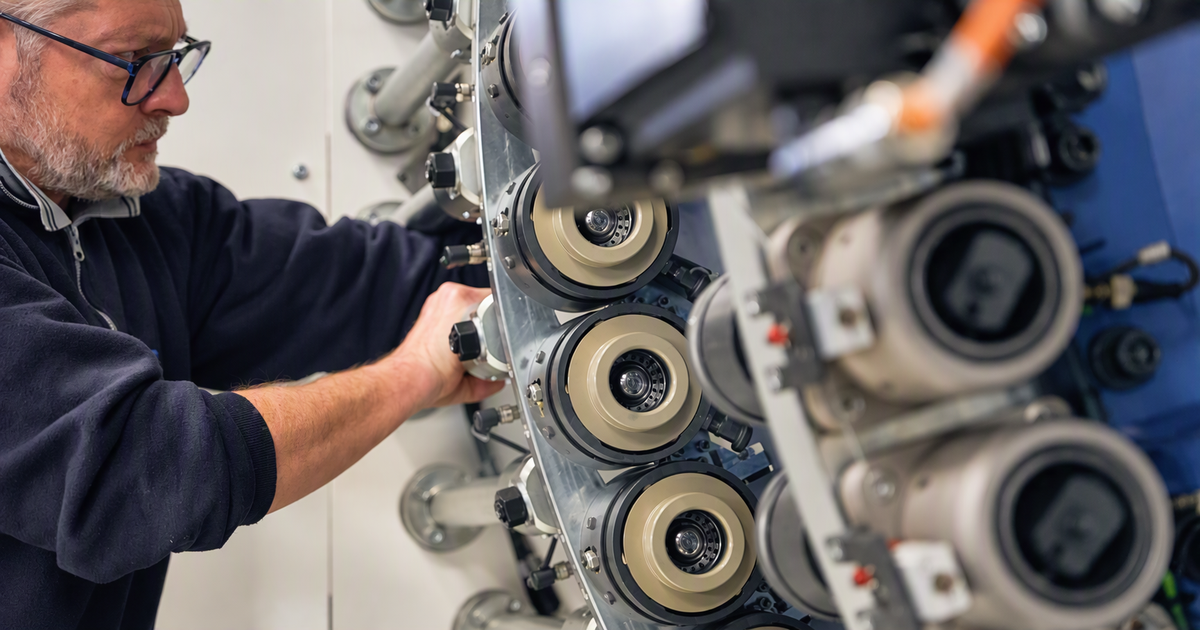
KEBA plays a central role in this machine concept. Compared to standard SPL necking machines, less mass is moved, but the number of movements is doubled, resulting in a significantly higher level of complexity. Pisoni: “A total of 24 motors perform highly coordinated, three‑dimensional movements simultaneously, particularly during unloading operations, where motion patterns resemble robotic applications such as delta robots – yet always with repeatable, predefined paths.” This orchestration requires precise motion control and synchronization, turning mechatronics and electronics into key enablers of innovation. The result is a highly flexible, accurate solution that strengthens SPL’s positioning through innovation, ensures independence from external suppliers, and allows easier integration of advanced technology within the NETECH network.
More about SPL: SPL SOLUZIONI
More about NETECH: Netech - Italian network solutions