

Why KEBA HMI devices are the standard at Wöhler Bohemia
- References / Success Stories
- HMI
- 11.3.2026
- Reading Time: {{readingTime}} min
Contents
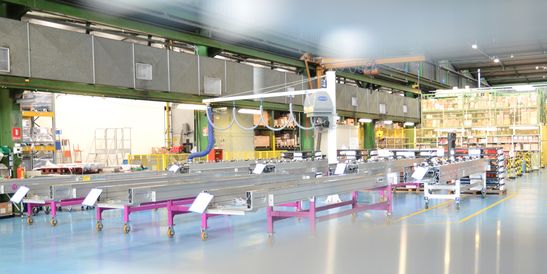
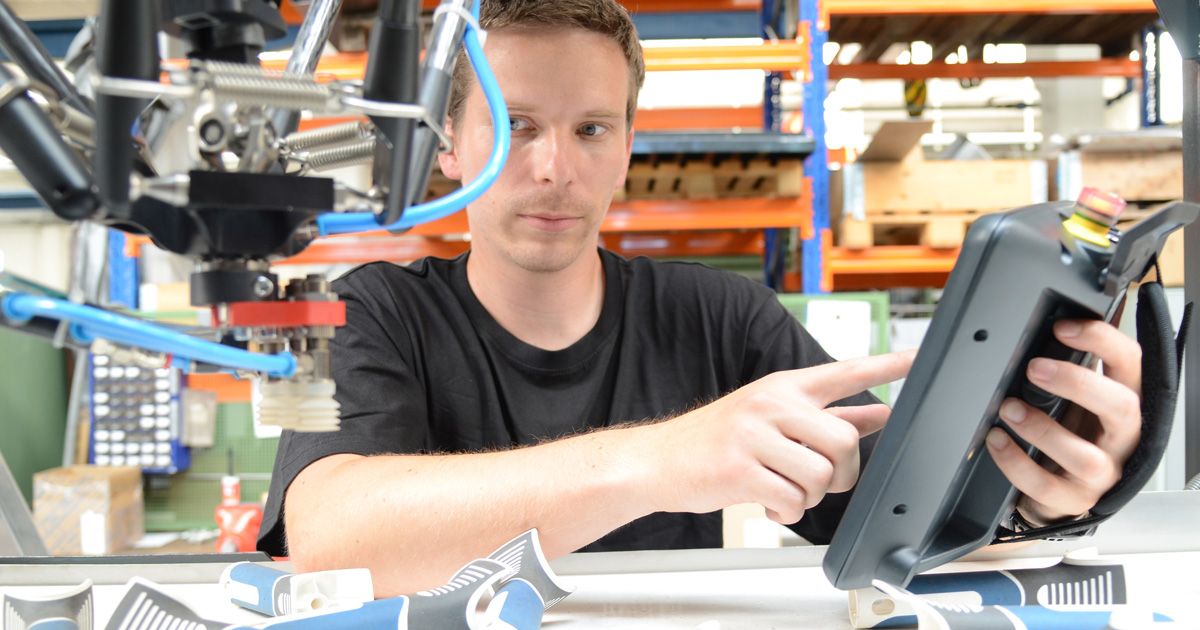
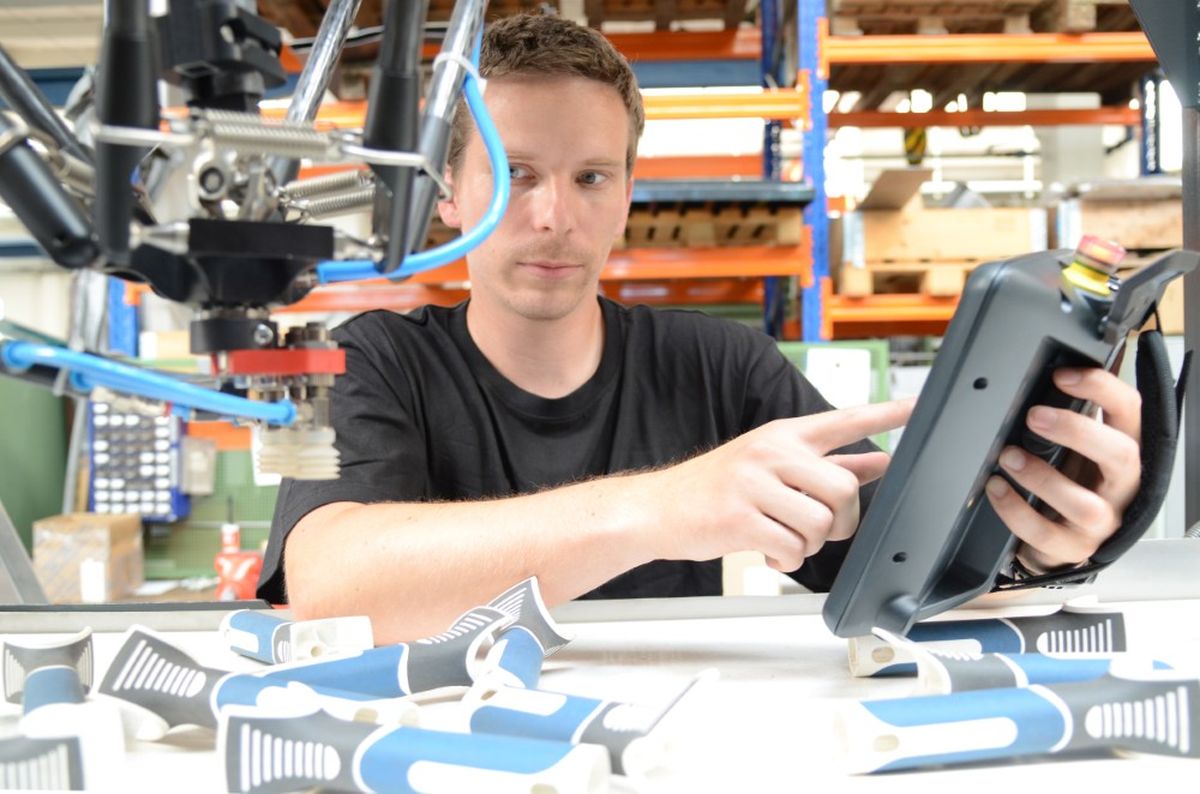
Around a three-hour drive from KEBA’s headquarters in Linz, Wöhler Bohemia operates a highly specialized production site in Pelhřimov, focused on machines for optimizing brush manufacturing. When searching for a new handheld operating device for its machines, the development team came across KEBA’s Safe Wireless HMI panels. From the very first encounter, two decisive advantages became clear: ergonomics and safety.
Brush manufacturing with tradition and a drive for innovation
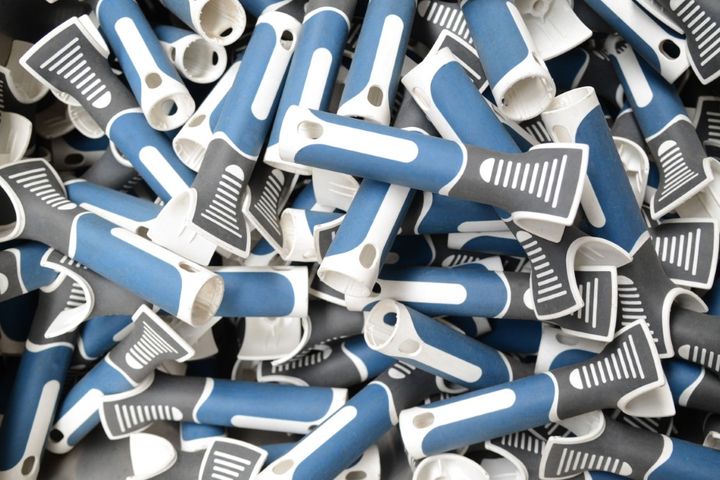
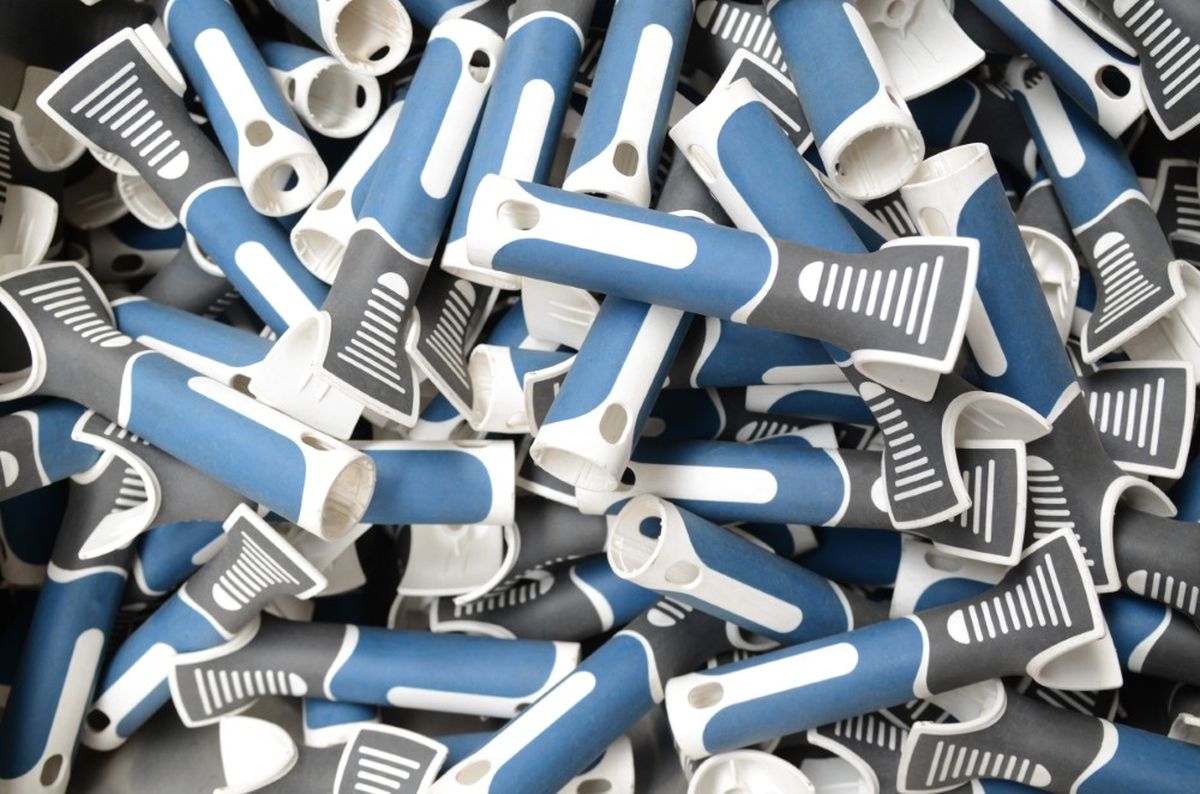
The region around Pelhřimov is regarded as a traditional center of the brush industry. Founded in 1994, Wöhler Bohemia s.r.o. is a subsidiary of the German family-owned company Wöhler, established in 1932. For decades, the Wöhler name has stood for quality in measurement and testing technology, technical brushes, and special-purpose machines for manufacturing paint rollers and brushes.
What originally started as a pure service and development site for the parent company has since evolved into a provider with its own product portfolio and a growing international focus.
"The ease of commissioning and secure wireless connection immediately won us over. [...] A wired HMI would be a significant limitation in this case."

From OEM product to a direct partnership with KEBA
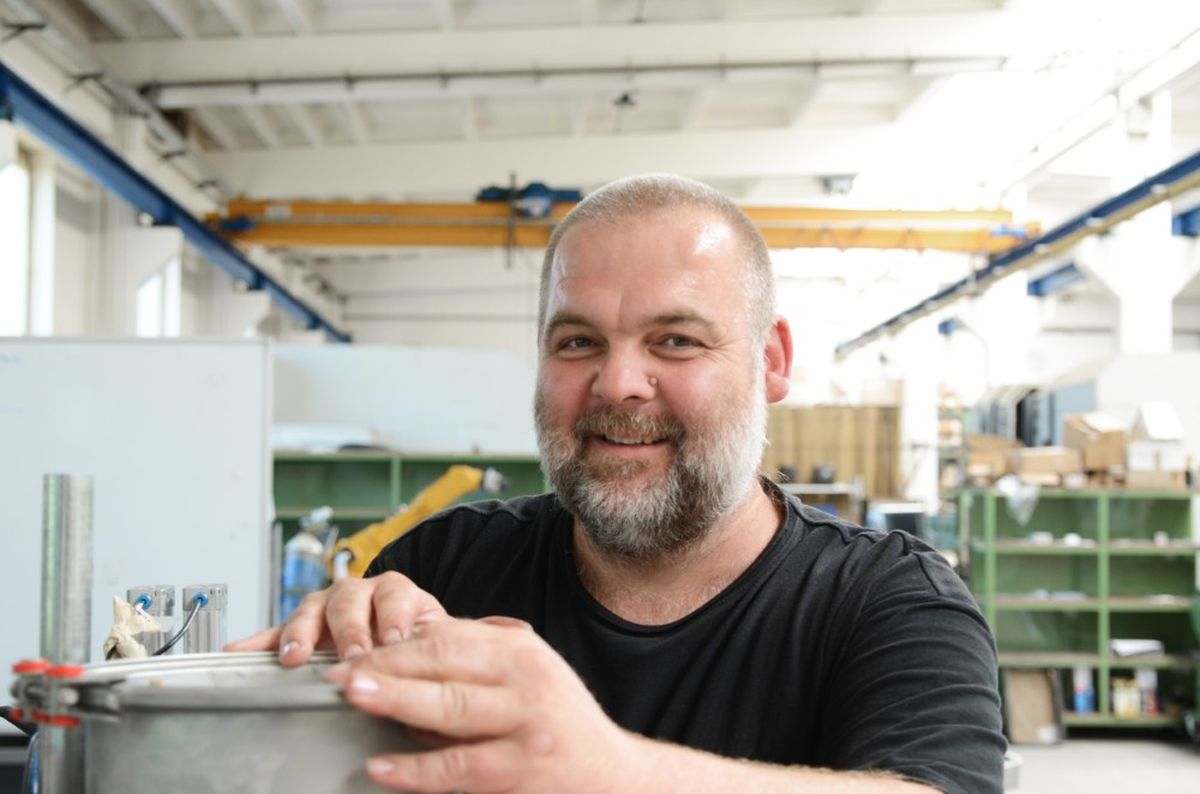
For many years, Wöhler sourced KEBA HMI devices through a third-party supplier that sold them under its own brand. When this supplier discontinued distribution, the company was forced to look for alternatives. The direct contact with KEBA was established at the automatica trade fair in 2020. Jaroslav Markvart, CEO of Wöhler Bohemia, recalls: “We had to look for alternatives because our previous supplier could no longer deliver KEBA products. The direct collaboration opened up many new perspectives for us.”
During discussions with KEBA, the team became aware of the Safe Wireless concept – a solution that had previously been unknown to them, but one that proved convincing immediately.
Why wireless? More flexibility and safety in practice
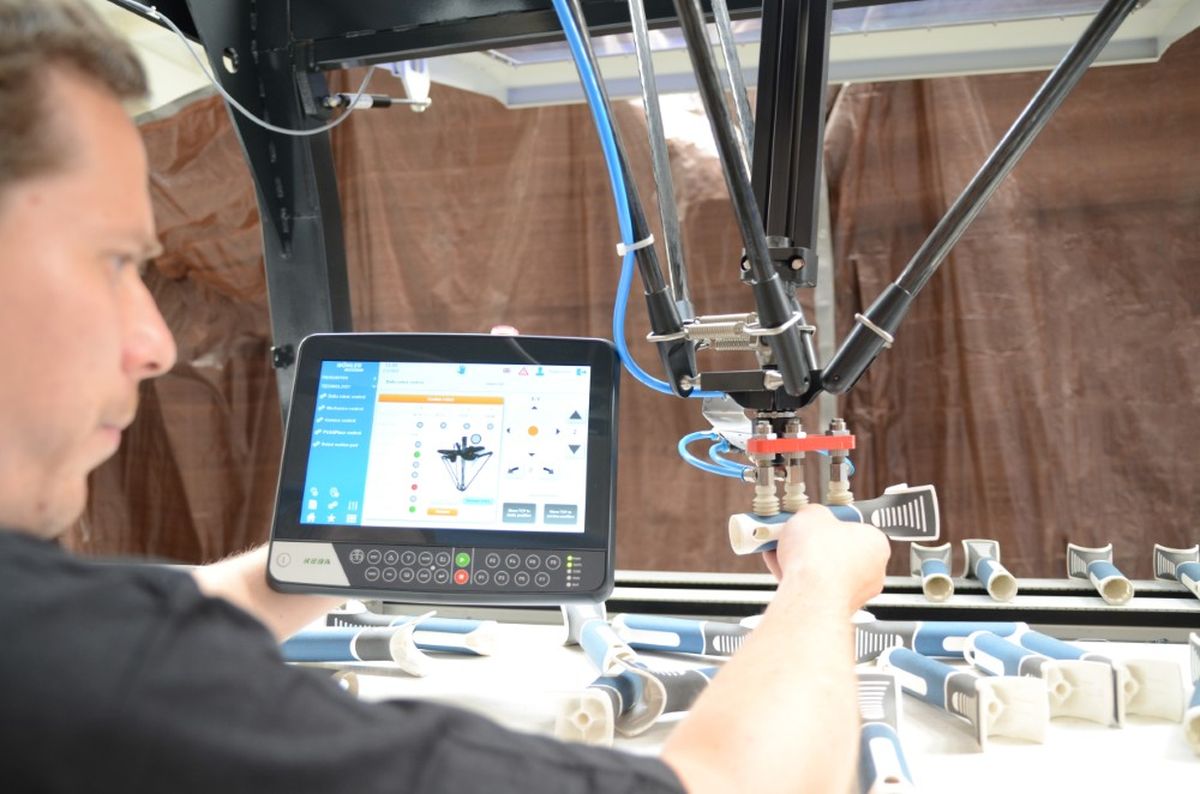
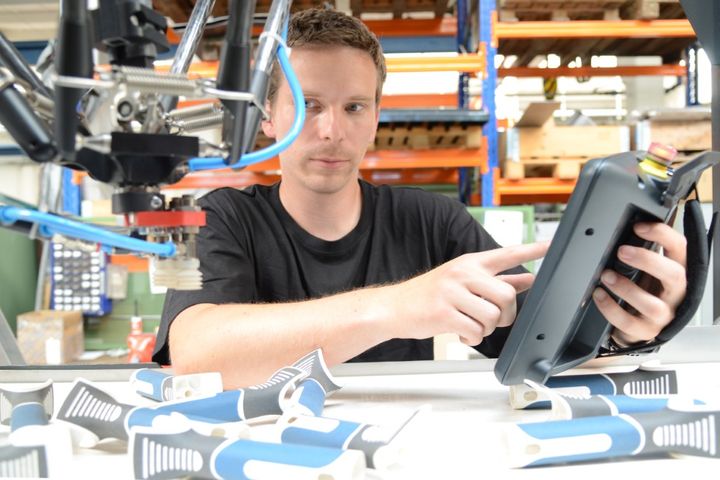
The engineers in Pelhřimov are currently developing a new machine featuring a delta robot. Especially during commissioning, it is crucial that operators can move freely within the robot cell in order to program the robot while keeping an eye on all relevant positions. “A wired HMI would be a significant limitation in this case,” says Markvart.
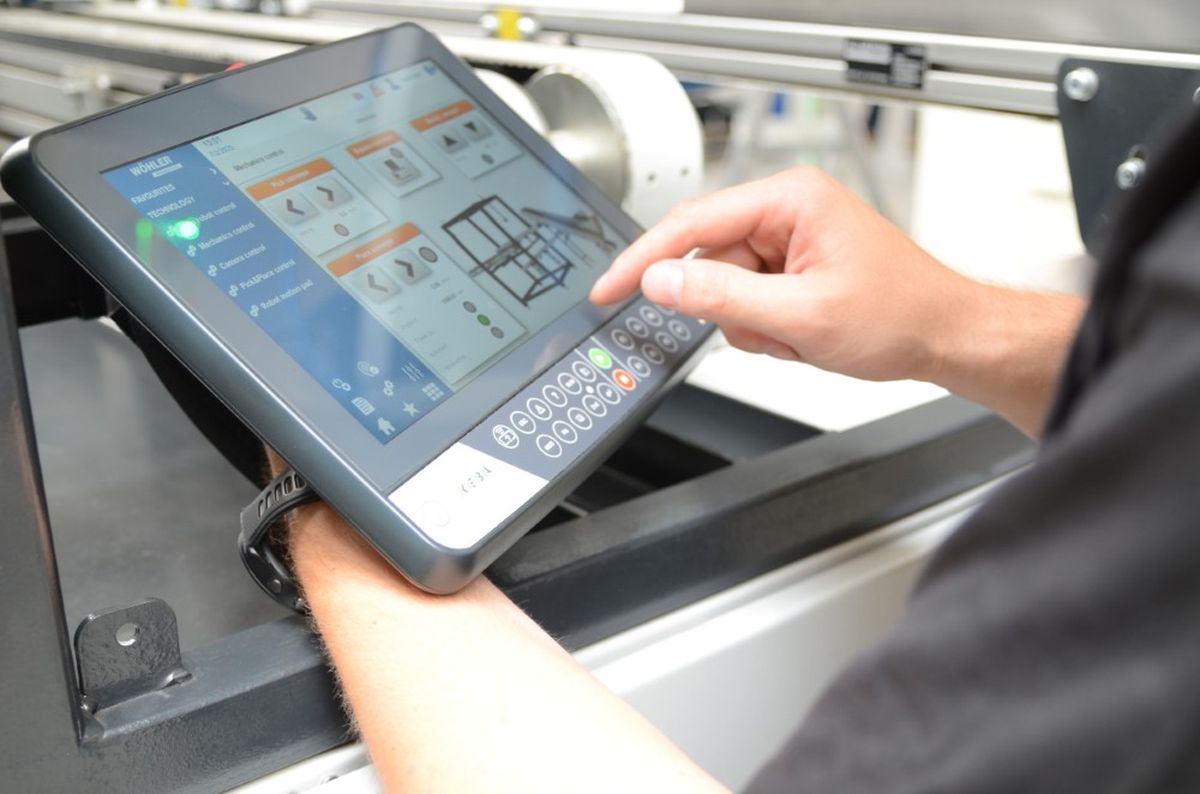
KEBA’s Safe Wireless panels provide the solution: they combine freedom of movement with machine safety and ensure seamless integration into industrial control environments.

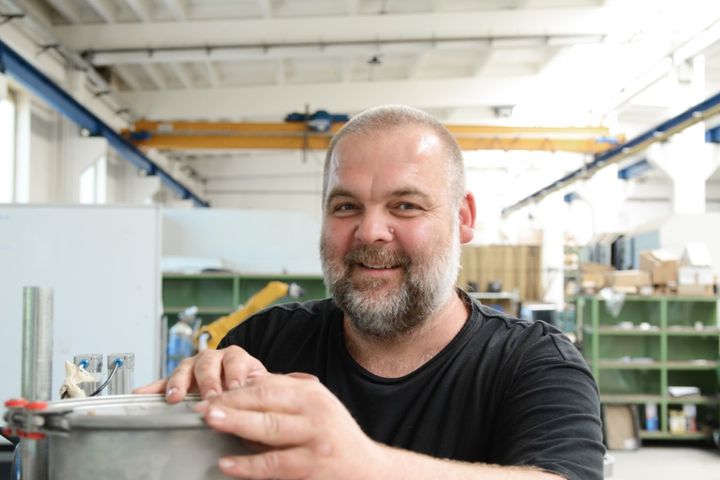
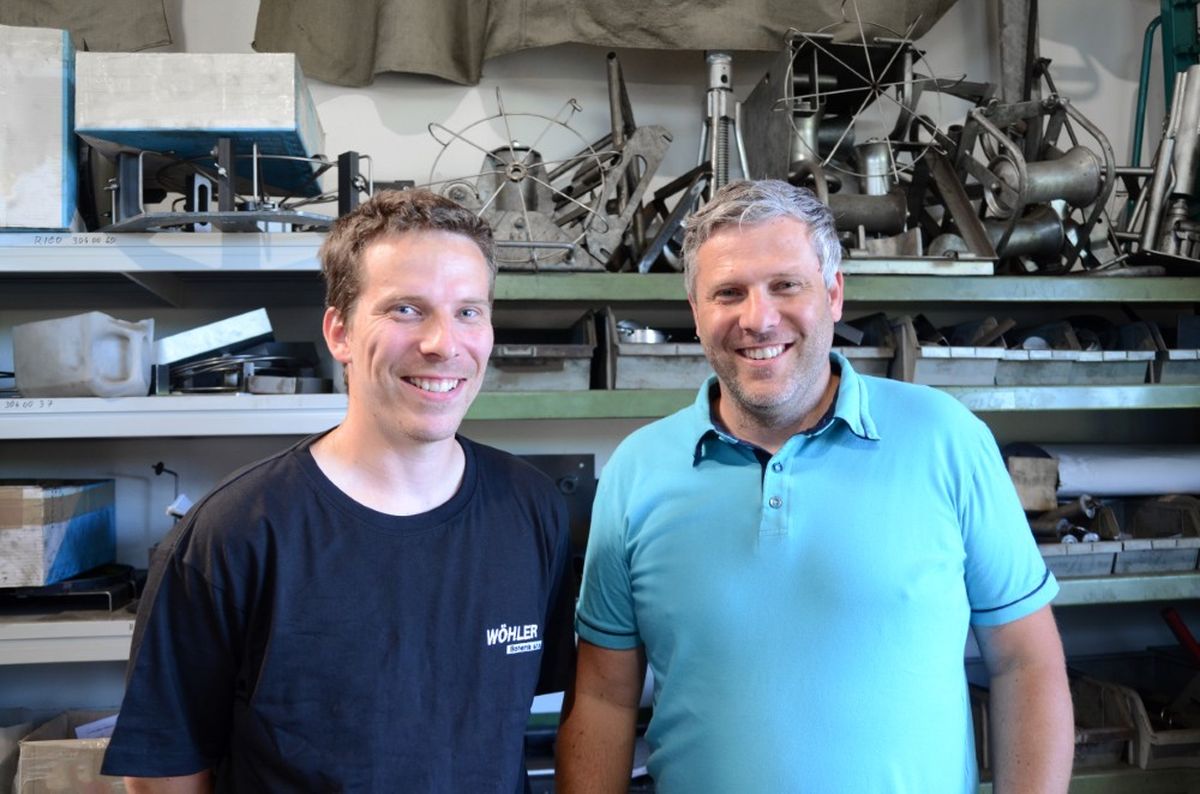
"Working with KEBA is straightforward, fast, and solution-oriented . We operate on equal footing and find new ways together."
Fast commissioning, flexible customization
Another key advantage is the ease of commissioning: connect the power supply, configure the IP address, load the visualization – done. “It really was as straightforward as you would hope,” emphasizes Markvart. In addition, KEBA’s KeTop panels offer extensive options for customization – whether in terms of corporate design or specific functional requirements.
Even though Wöhler currently mainly manufactures single machines or small series, Markvart sees long-term potential here: “This could become interesting for us in the future if we expand our series production.”
Responding to market changes: customization and compactness
In view of increasing competition from Asia – particularly from Chinese manufacturers with a price advantage of around 30% – as well as the cautious investment behavior in the construction supplier industry, Wöhler is adapting its portfolio: more compact, less complex machines, faster availability, and access to new markets.
A decisive competitive advantage lies in the high degree of customization: almost every machine is a unique solution tailored to customer requirements. This demands maximum flexibility in design and control – including at the HMI level.
New industries, new opportunities
Wöhler plans to make its expertise in mechanical engineering and process optimization available to other industries as well. The integration of automation technology and robotics is a central element of this strategy. In this context, the company sees a clear strategic advantage in its cooperation with KEBA: “We are not just getting technology, but also a partner who speaks our language,” says Markvart.
Conclusion: Moving into the future with KEBA
As a mid-sized company, Wöhler particularly values fast and direct communication. “Working with KEBA is straightforward, fast, and solution-oriented. We operate on equal footing and find new ways together. That’s why I am convinced that Wöhler’s future is closely linked with KEBA,” Markvart concludes.