



In conversation with the IT Finanzmagazin Podcast: How KeBob enhances safety and well-being
- 15.1.2026
- Reading Time: {{readingTime}} min
Contents
The focus is on KeBob, KEBA’s AI-based assistant system that helps banks operate their branches securely and customer-friendly, even as self-service usage continues to increase.
But what actually distinguishes KeBob from traditional video surveillance systems? What type of AI is used? How does the system detect critical situations? How does KEBA balance innovative technology with data protection? And last but not least: How do bank customers react to a digital “face” in the branch?
These and many other questions are explored in depth during the conversation. Definitely worth a listen.
Key learnings from the conversation
KeBob is an AI assistant system – not a pure surveillance tool
While traditional cameras passively record footage, KeBob acts actively and in real time. Using computer vision, the system analyzes situations, addresses people directly, and can autonomously initiate actions. Whether it’s breaches of discretion at ATMs, medical emergencies, or atypical and improper use of the self-service area, KeBob responds appropriately to the situation, relieving both security staff and bank employees.
Security is created through interaction – not deterrence
A key element of KeBob is its human-centered communication. The face mounted on the ceiling serves as a visible point of contact, strengthening the feeling of safety without appearing intrusive or intimidating. Field experience shows that even older customers respond positively, as communication is clear, polite, and easy to understand. Language, tone, and content can be individually adapted to each bank.
AI with a clear purpose and data protection at its core
KeBob relies on specialized AI models for visual situation analysis. Video processing takes place locally within the branch. Personal data is not stored by default, and faces can be anonymized. Data protection is therefore not an afterthought, but an integral part of the system architecture.
Greater efficiency for banks – today and in the future
In addition to improved security, KeBob helps banks reduce process costs — for example through fewer false alarms, automated opening and closing of branches, and preventive measures against vandalism and ATM attacks. Looking ahead, KeBob is also expected to provide anonymous analytical data, such as branch usage heatmaps, to further optimize layouts and services.
How much AI does the bank branch of the future need?
The conversation makes one thing clear: the bank branch of the future will not become less personal—it will become smarter. AI assistant systems like KeBob take over routine tasks, enhance security, and create more room for meaningful customer interaction.
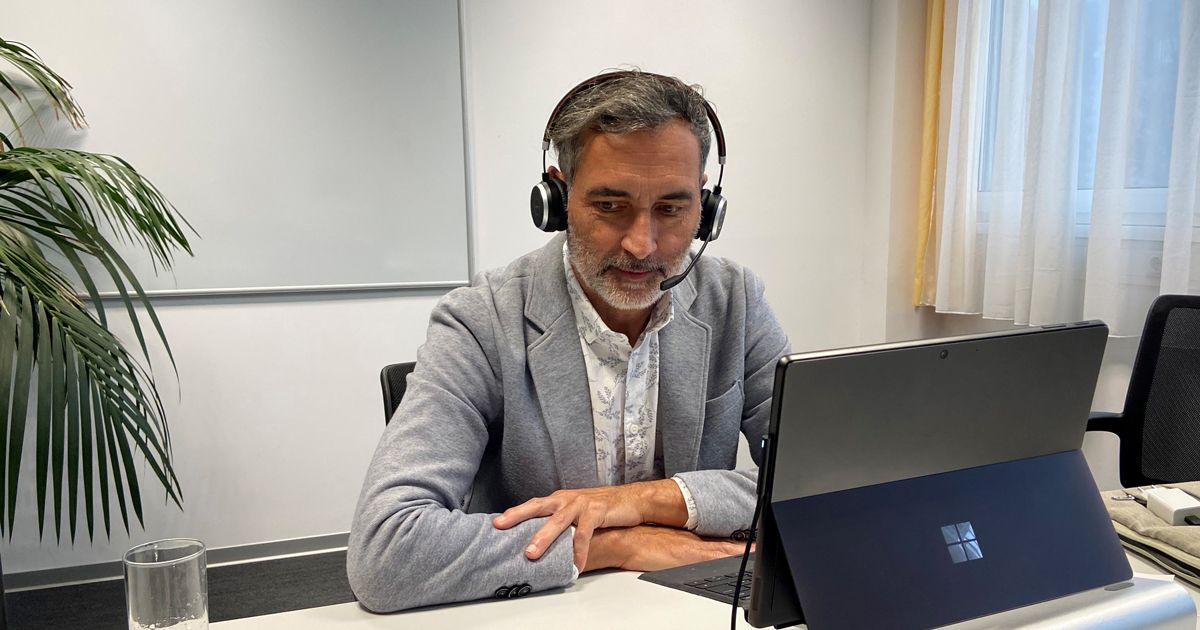
The specific role KeBob plays and how banks are likely to evolve in the coming years are discussed in detail by Tobias Weidemann and Erich Pichler in the podcast. Well worth listening to.
To listen to the full version of the audio podcast click here (duration 25 minutes, in German).

Im Podcast des IT Finanzmagazins spricht Moderator Tobias Weidemann mit Erich Pichler, Vice President Assistant Solutions bei KEBA darüber, wie Automatisierung und Künstliche Intelligenz (KI) das Kundenerlebnis sowie die Sicherheit im SB-Bereich nachhaltig verbessern können.
Interested in KeBob? Find out how you can get started with your new AI solution in just 8 steps, or get in touch with us directly—the KEBA sales team looks forward to hearing from you.