



Open Innovation Exchange on Intelligent Textile Systems
- 24.8.2026
- Reading Time: {{readingTime}} min
Contents
Robotics where it takes the strain off people
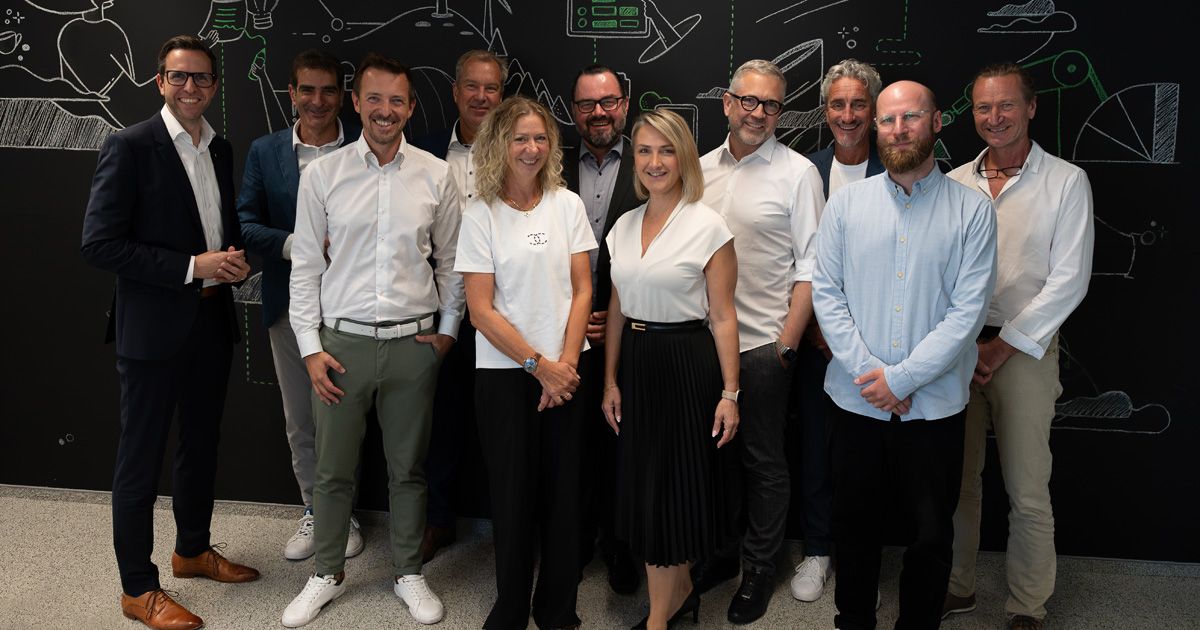
Where can robotics specifically relieve the workload of employees in laundries? Erich Hering from Brolli, Klaus Riegenring from CSI Technologies, Björn Tillemans from Datamars and Falk Ness from KEBA explored this question together. The focus was on physically demanding, repetitive and technically challenging tasks – such as separating and sorting soiled laundry, checking pockets or folding. However, the aim was not automation at any cost. Instead, the participants considered how automation can support employees and how robotics can be integrated into existing processes.
The value increasingly lies in the data
The way we look at textiles themselves is also changing. The discussion focused on the potential offered by information throughout the entire lifecycle: from use, cleaning and repair to replacement or recycling, data is generated that could in future be used for demand forecasting, quality control, inventory optimization and more transparent textile cycles.
This is also changing the role of laundries and textile service providers. In addition to washing and delivery, spatial solutions, software, reporting and data analysis can become important components of comprehensive services.
Valuable data is generated throughout the entire lifecycle of a textile – from use, cleaning and repair through to replacement and recycling. This data needs to be put to use.
From real-world needs to intelligent solutions
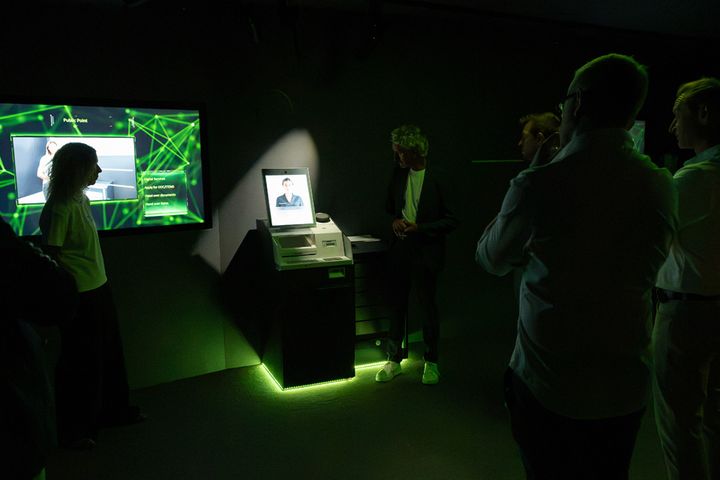
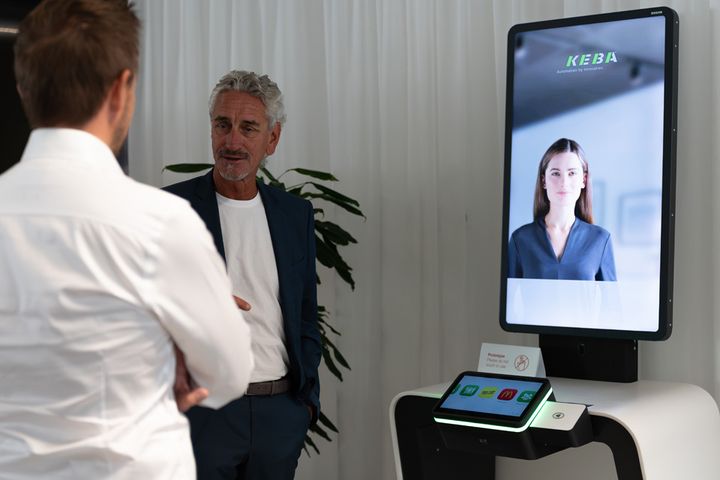
The requirements for intelligent textile systems come directly from real-world practice. One example is automated garment dispensing, which must be accessible to different user groups.
Sandra Pollhammer from Kepler University Hospital contributed the perspective of different user groups. Automated garment dispensing must also be accessible to blind and visually impaired people as well as people with limited mobility.
The exchange generated ideas such as voice guidance, acoustic feedback, automatic doors and pick-by-light. For Susie Kläy from SAFOS AG, voice-based interaction was a particularly important topic: information could reach users exactly when it is needed – for example, in the event of an incorrect withdrawal or return.
Intelligent textile systems must not only be efficient, but also accessible and intuitive to use for different user groups.
There is no single technology – what is needed is the interplay of different approaches
One key insight from the Open Innovation Exchange: the future of textile management does not depend on a single technology. Thomas Linde from KEBA brought the possibilities of local AI and image processing into the discussion. If speech and image recognition are processed directly on site, systems can respond quickly and process sensitive information locally, even when the internet connection is limited.
Combined with RFID, this opens up new possibilities. Klaus Riegenring from CSI Technologies and Falk Ness from KEBA discussed, among other things, the challenges of high throughput volumes in industrial applications. RFID remains an important basis for the unique identification of textiles. For future applications, however, the combination of RFID, computer vision, sensor technology and local AI could prove decisive.
In future, an intelligent textile system could therefore not only identify which textile is located where, but also recognize relevant situations within the process.
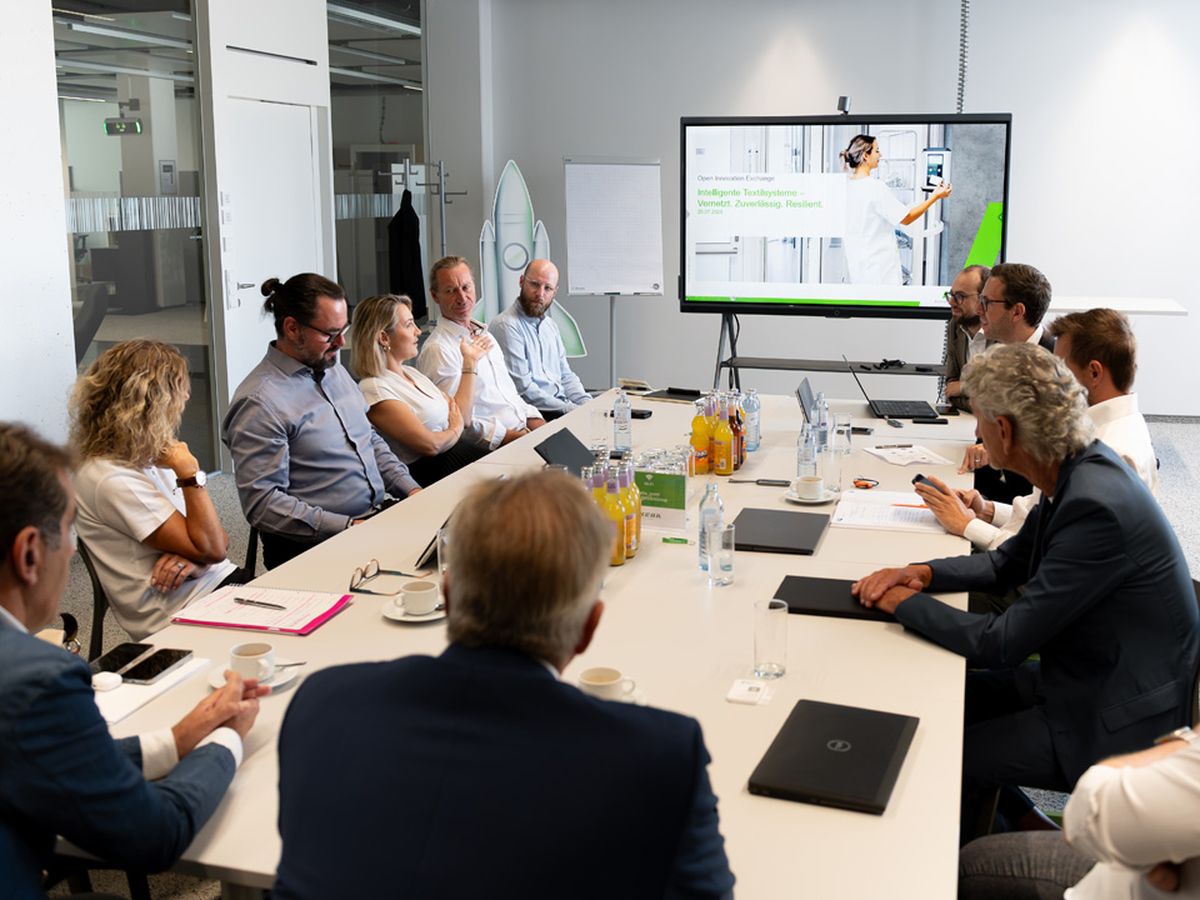
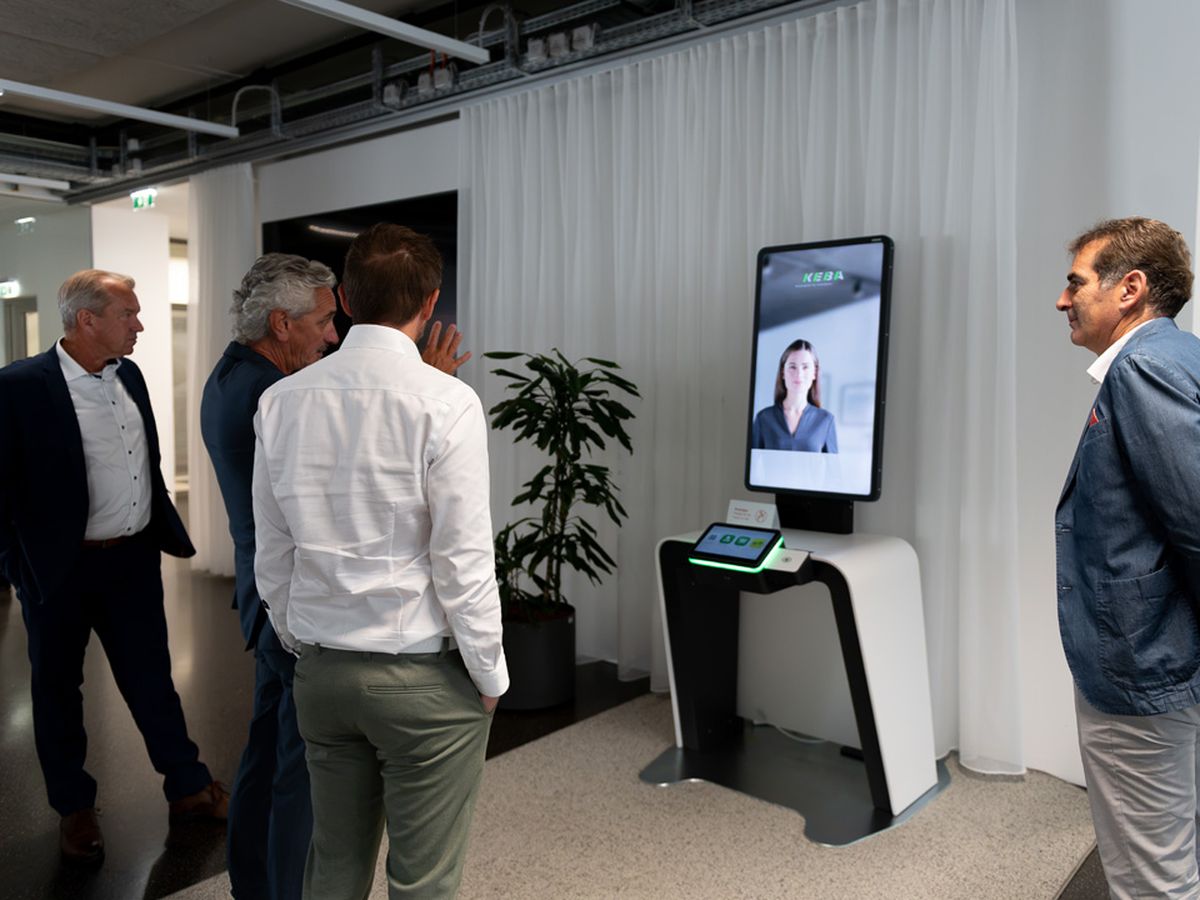
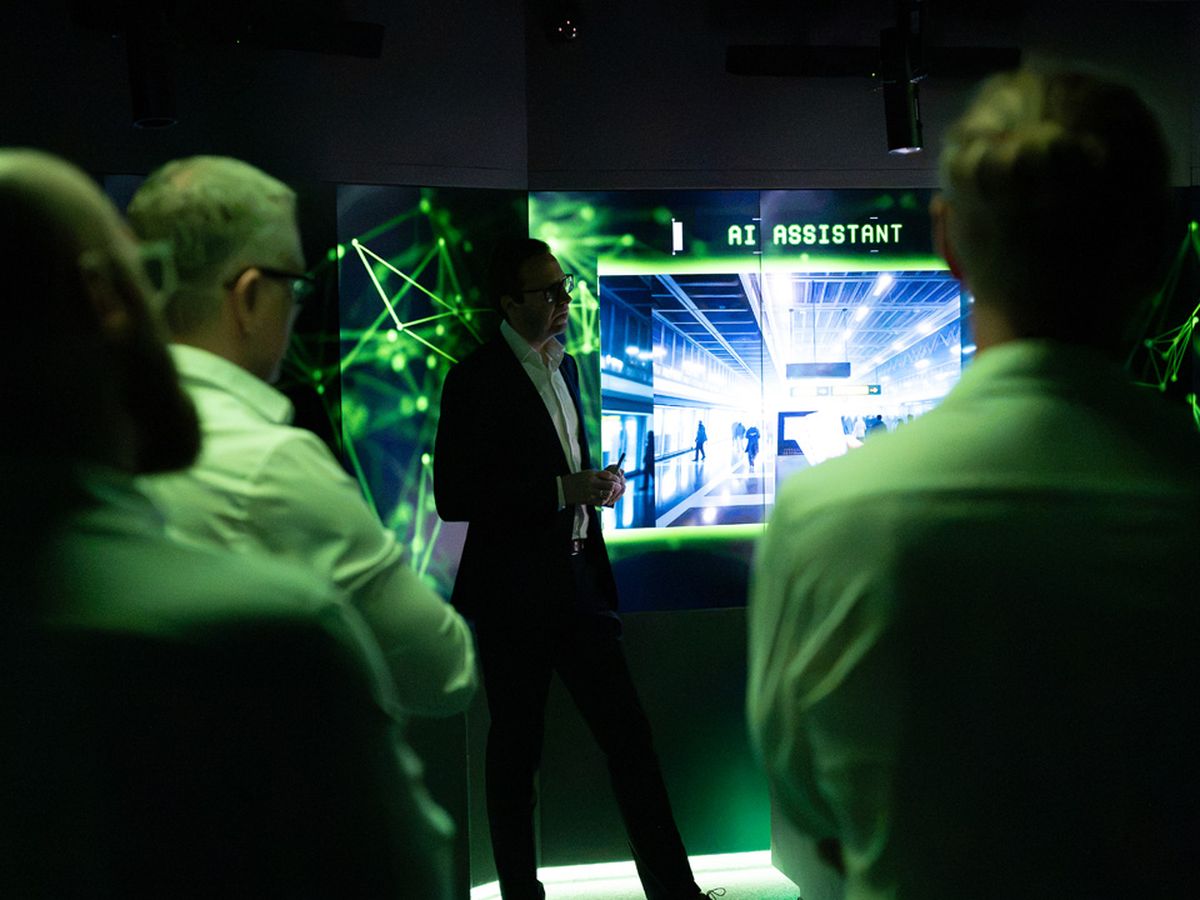
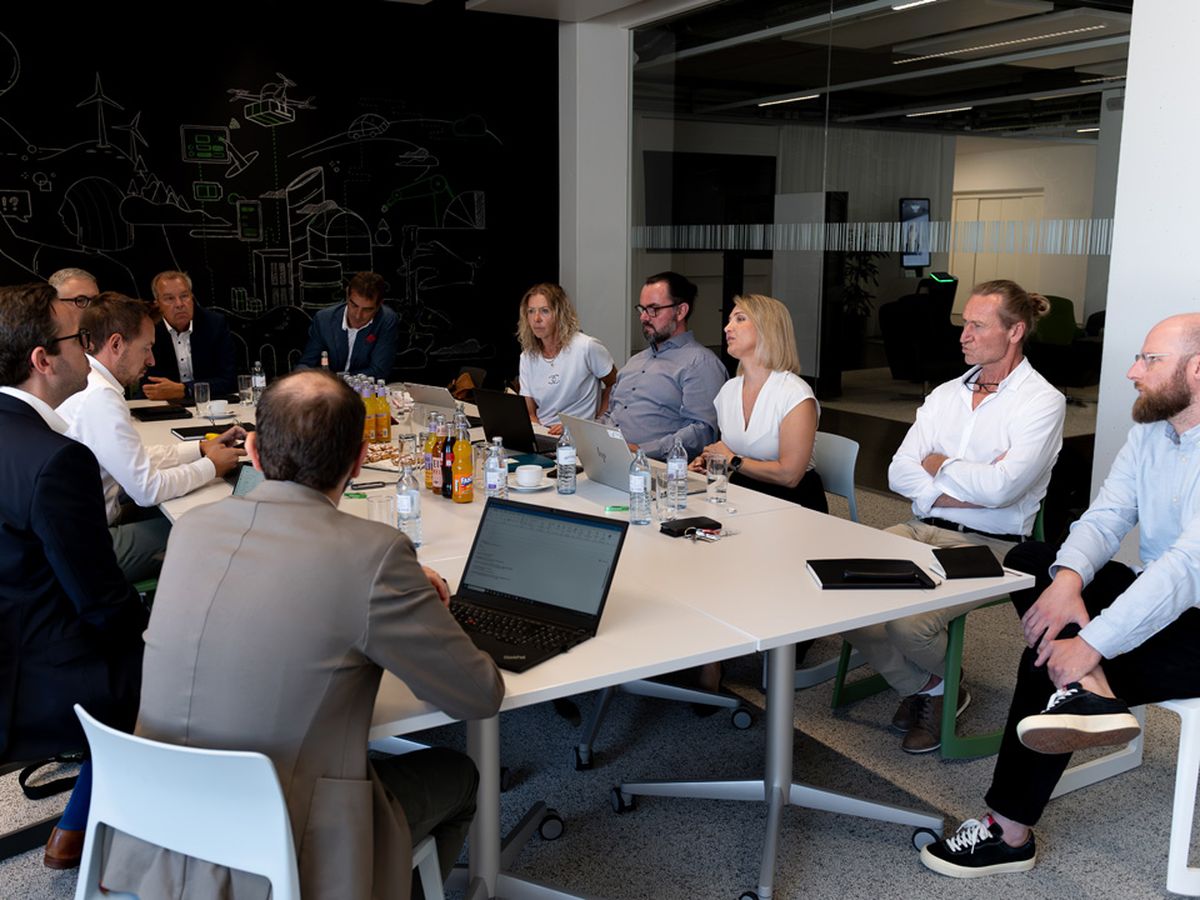
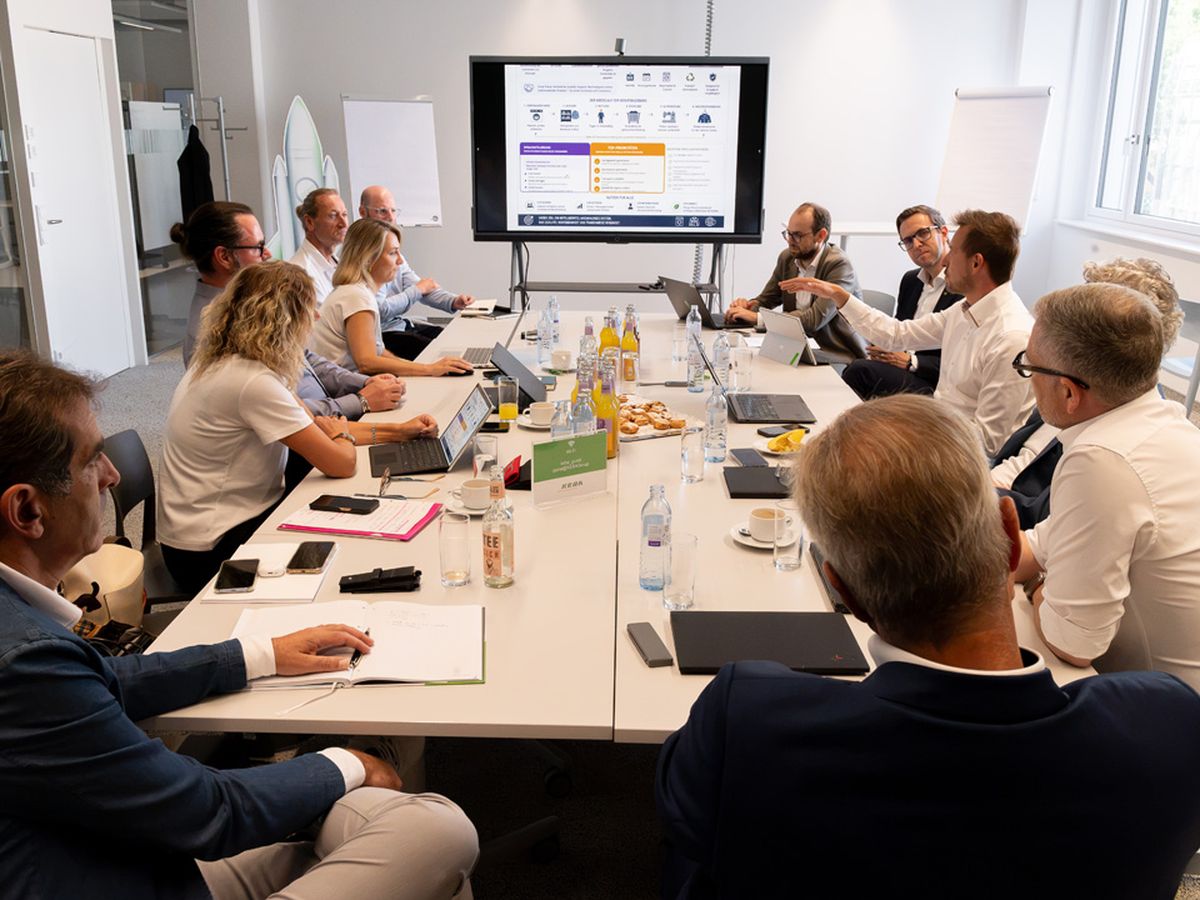
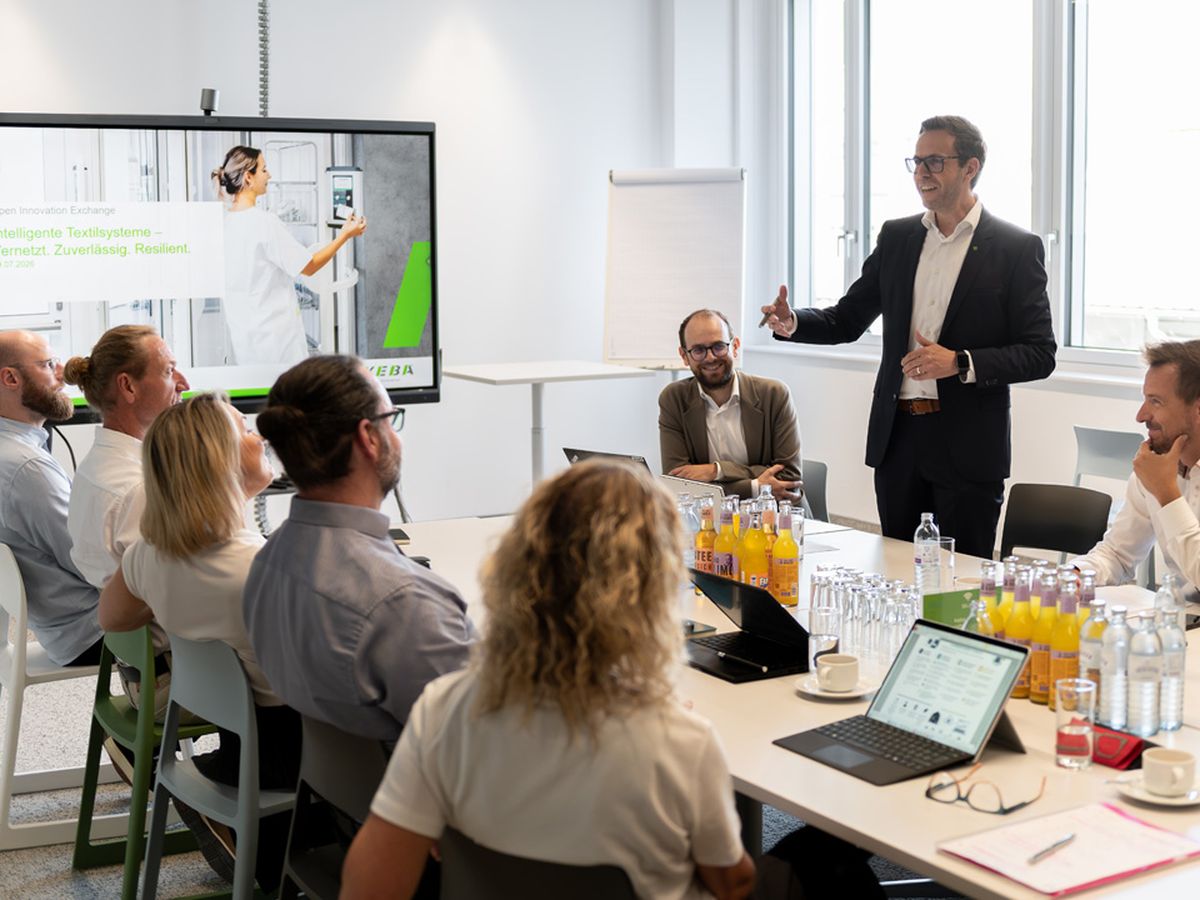
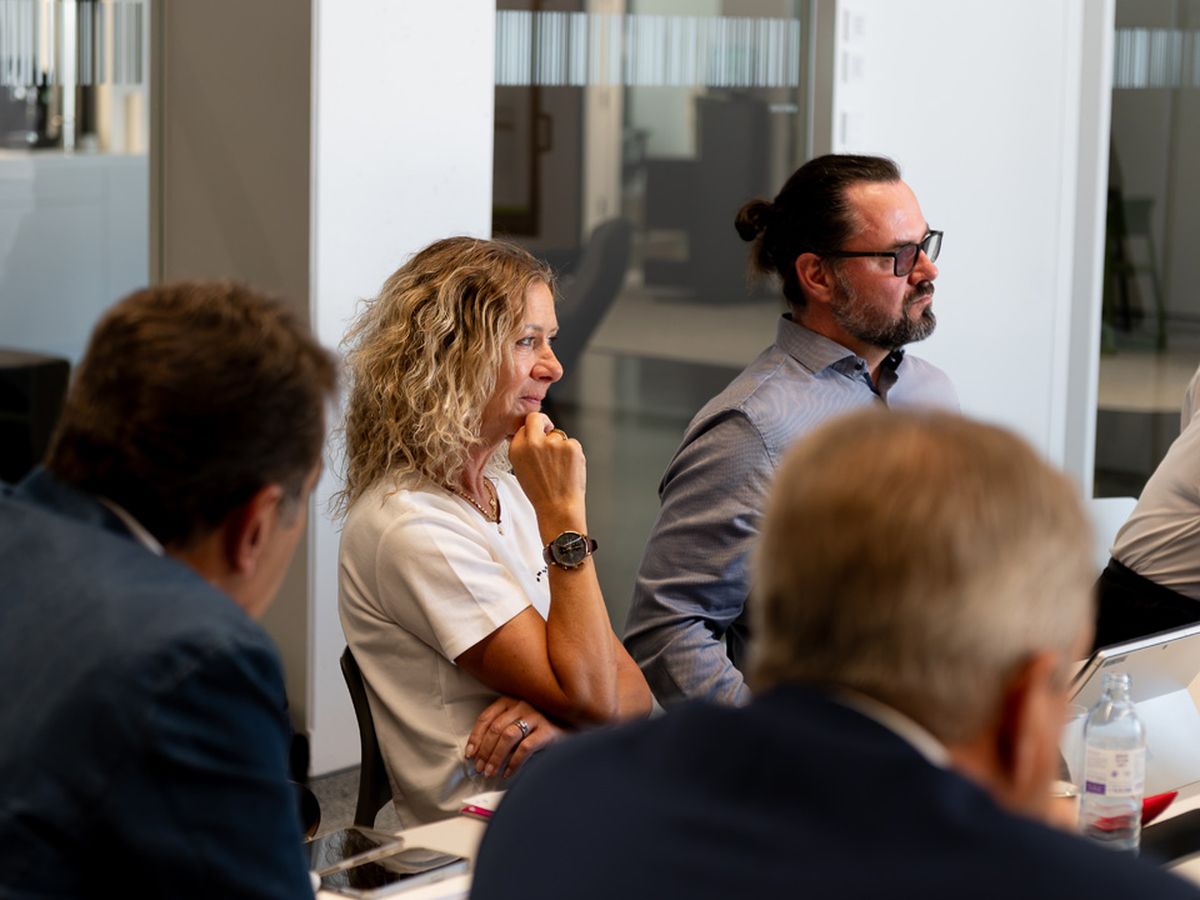
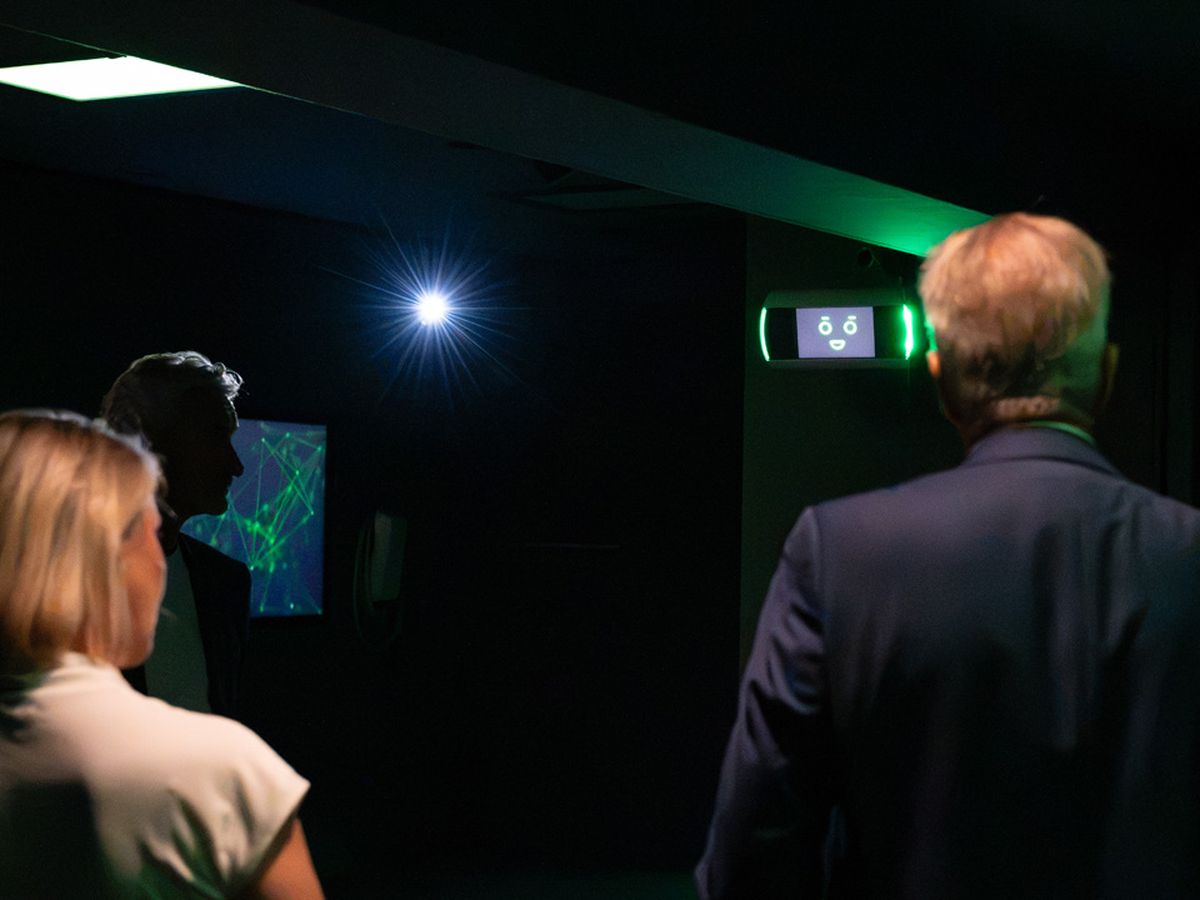
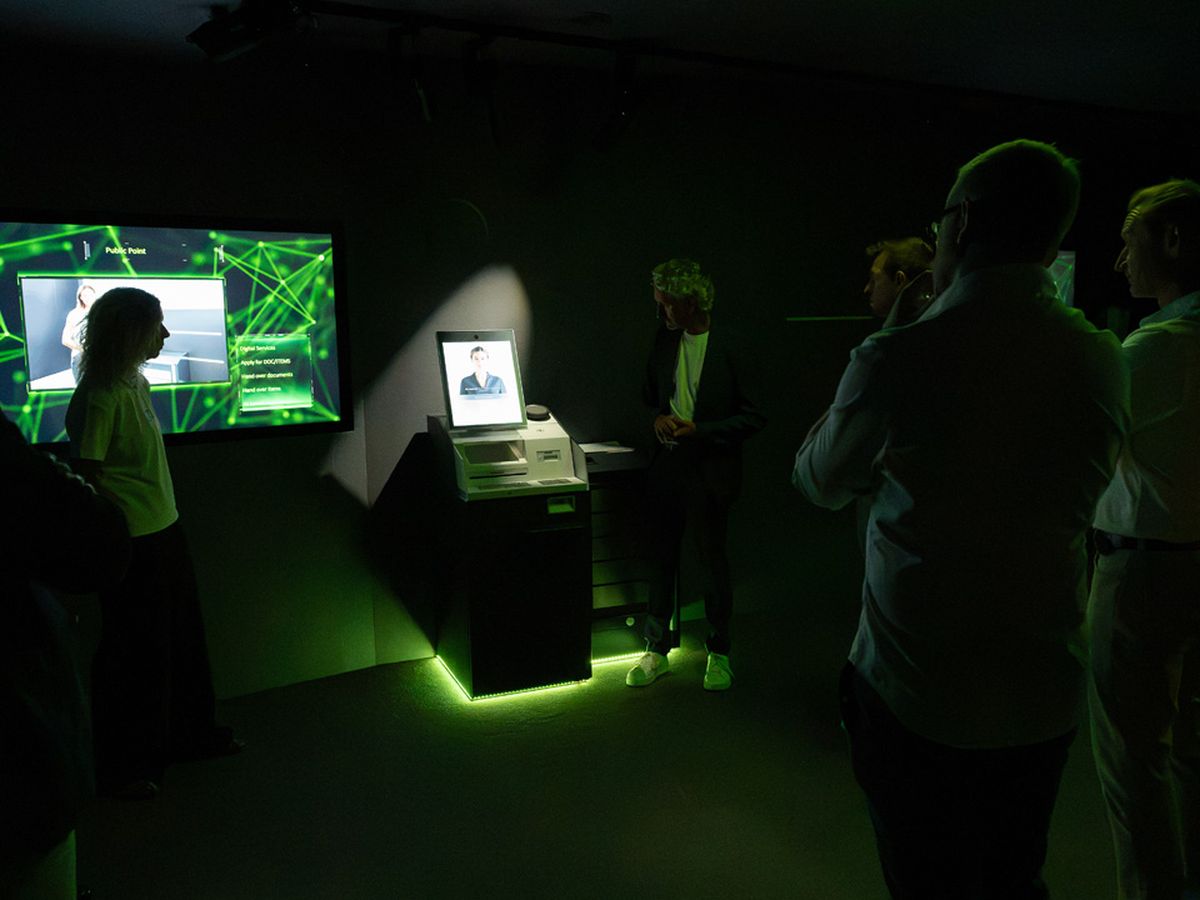
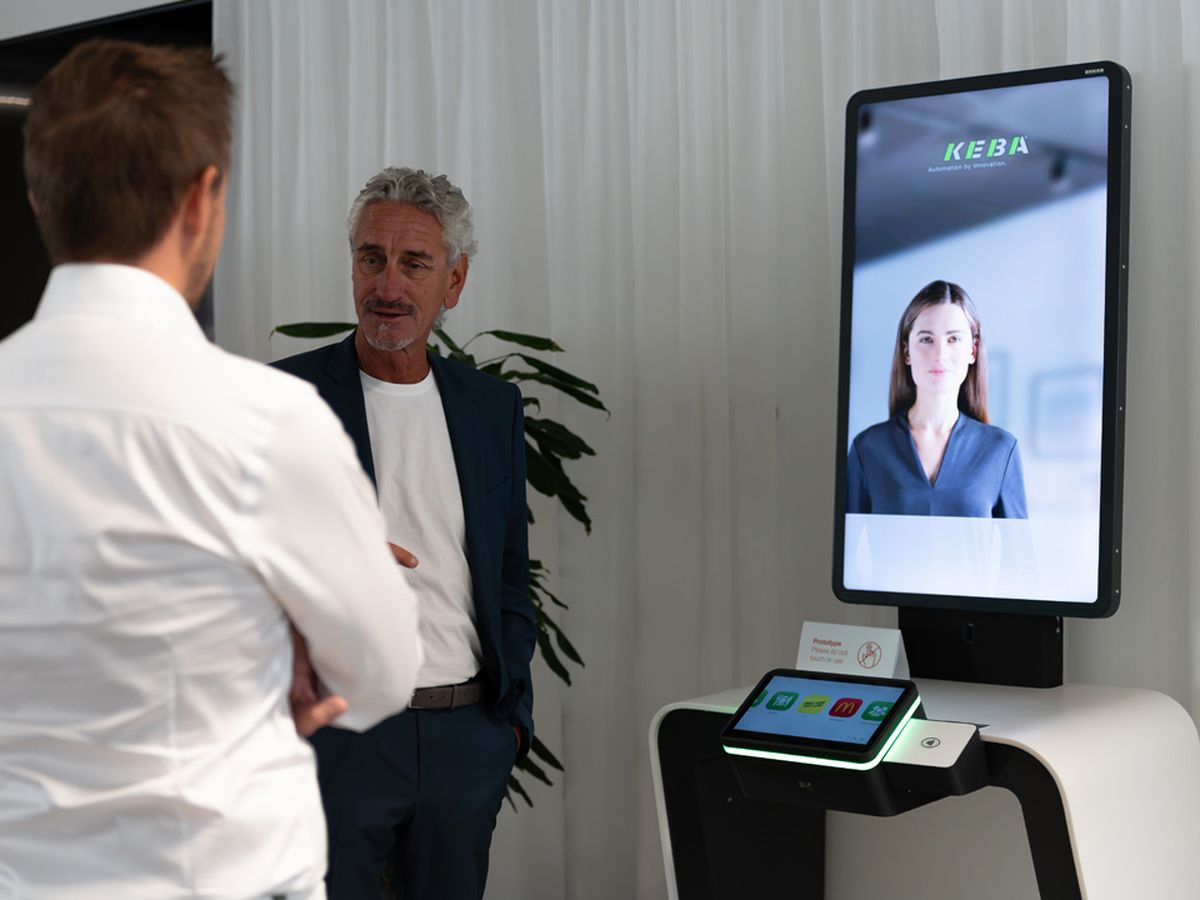
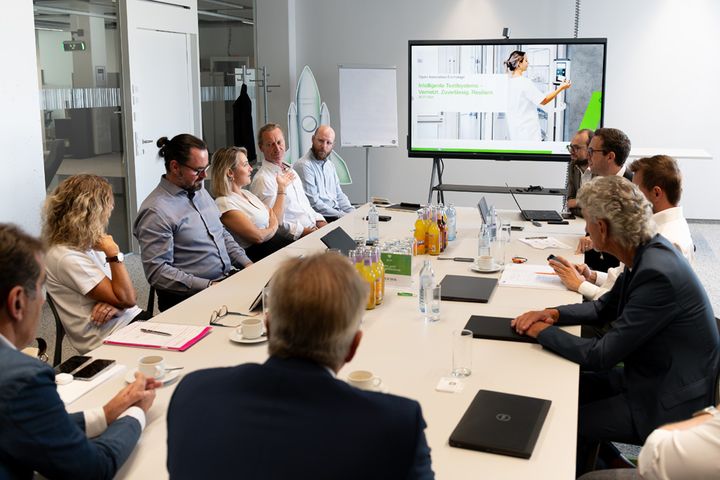
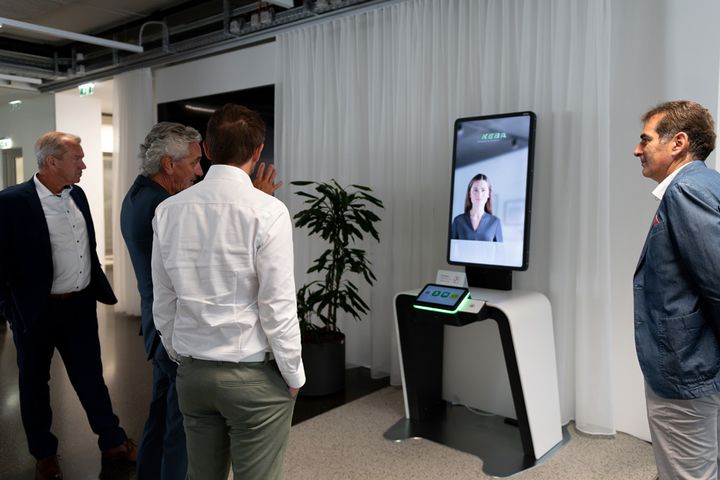
KEBA connects technologies and perspectives
This is precisely where KEBA's strength lies: at the interfaces between technologies and perspectives. With expertise in automation, local AI, image processing, secure authentication and intuitive human-machine interfaces, we can bring together technologies from different fields.
With its texLOG laundry logistics solutions, KEBA already automates key textile management processes today. The Open Innovation Exchange demonstrated the additional possibilities that can arise when existing expertise is combined with new technologies and, above all, with the practical experience of our partners. Because innovation does not begin with a technology, but with a challenge that can be solved better together.
The exchange at the KEBA InnoSpace is therefore set to continue. To conclude, Volker Rattmann and Christoph Knogler from KEBA highlighted the importance of deriving concrete next steps from the ideas discussed – moving toward new concepts and potential prototypes for intelligent, industrial-grade textile solutions.
The textile management of the future will be more connected, automated and data-driven. Together with our partners, we want to find out exactly what these solutions will look like.